


Conservation in the Niokolo-Badiar-Koulountou transboundary landscape in West Africa
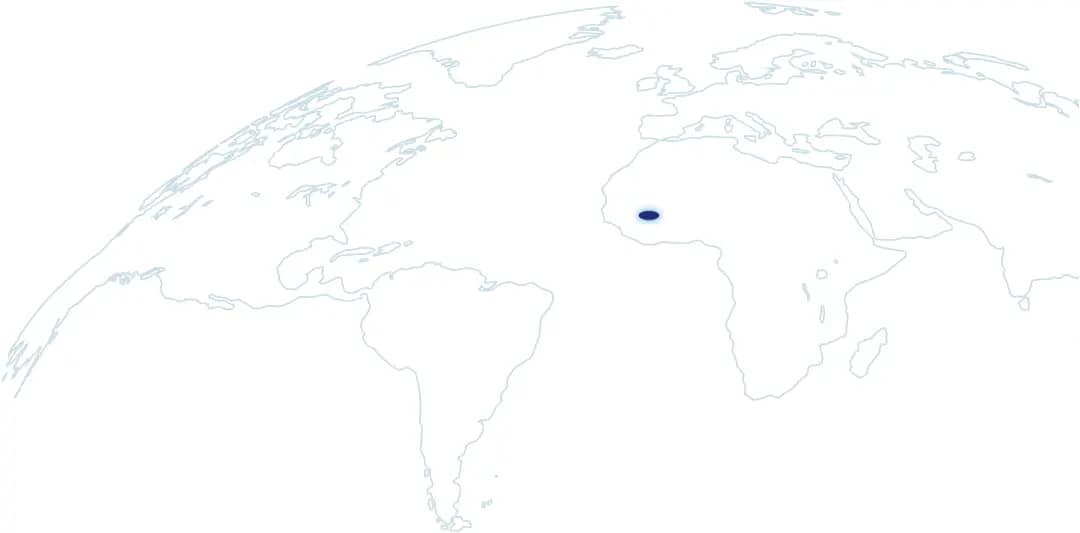
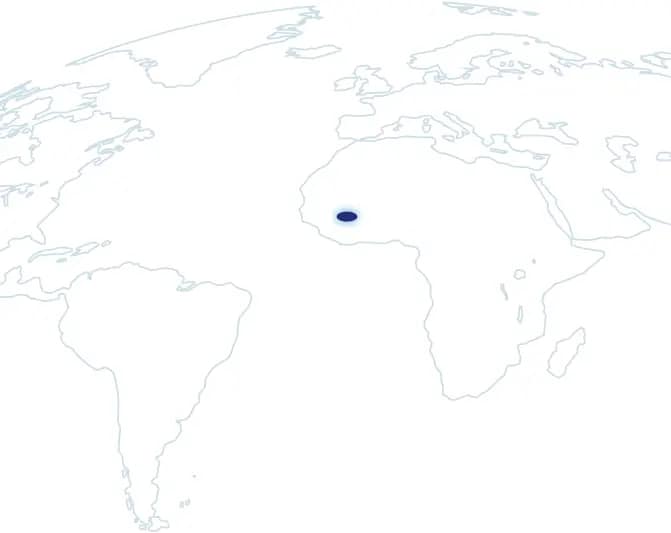
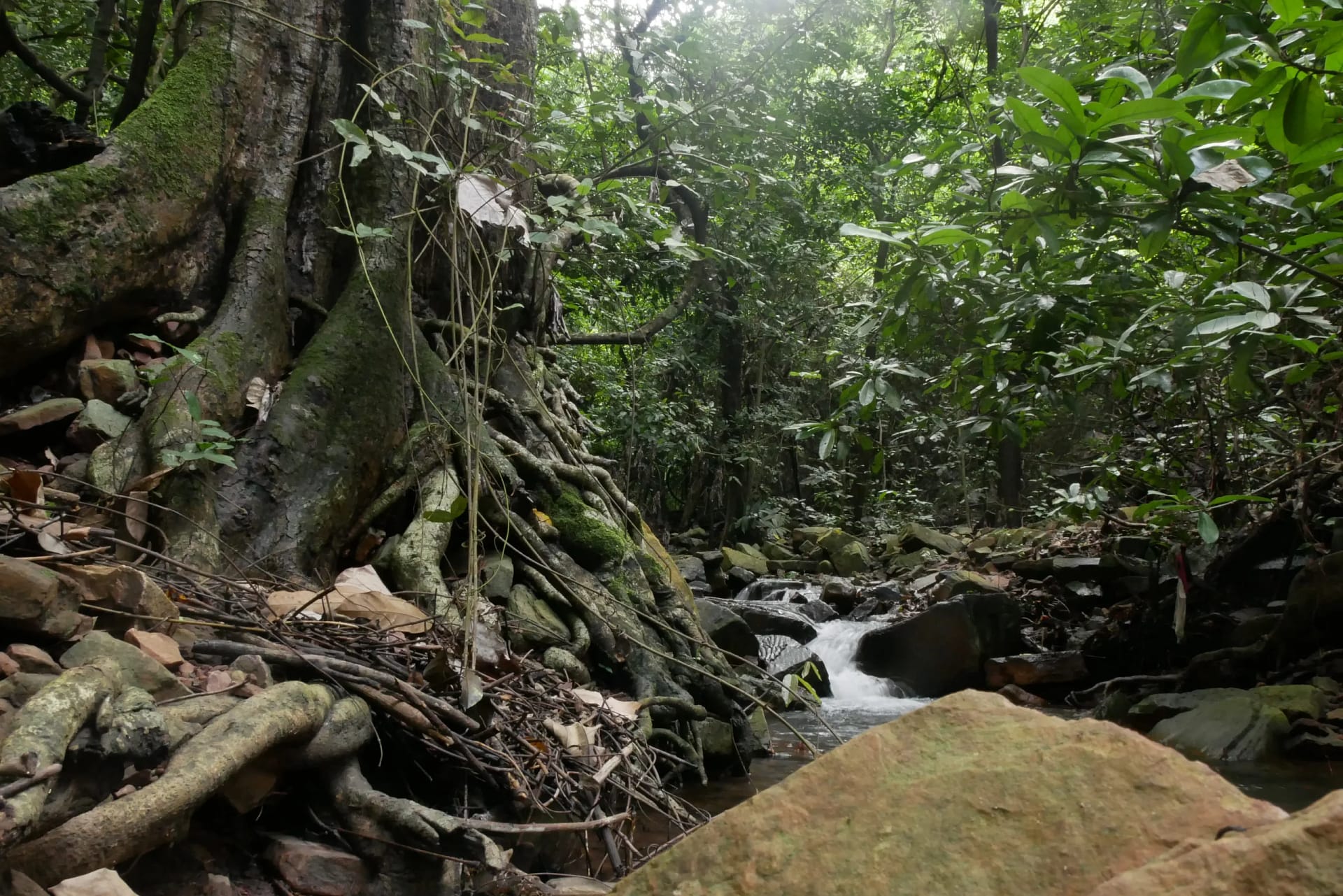
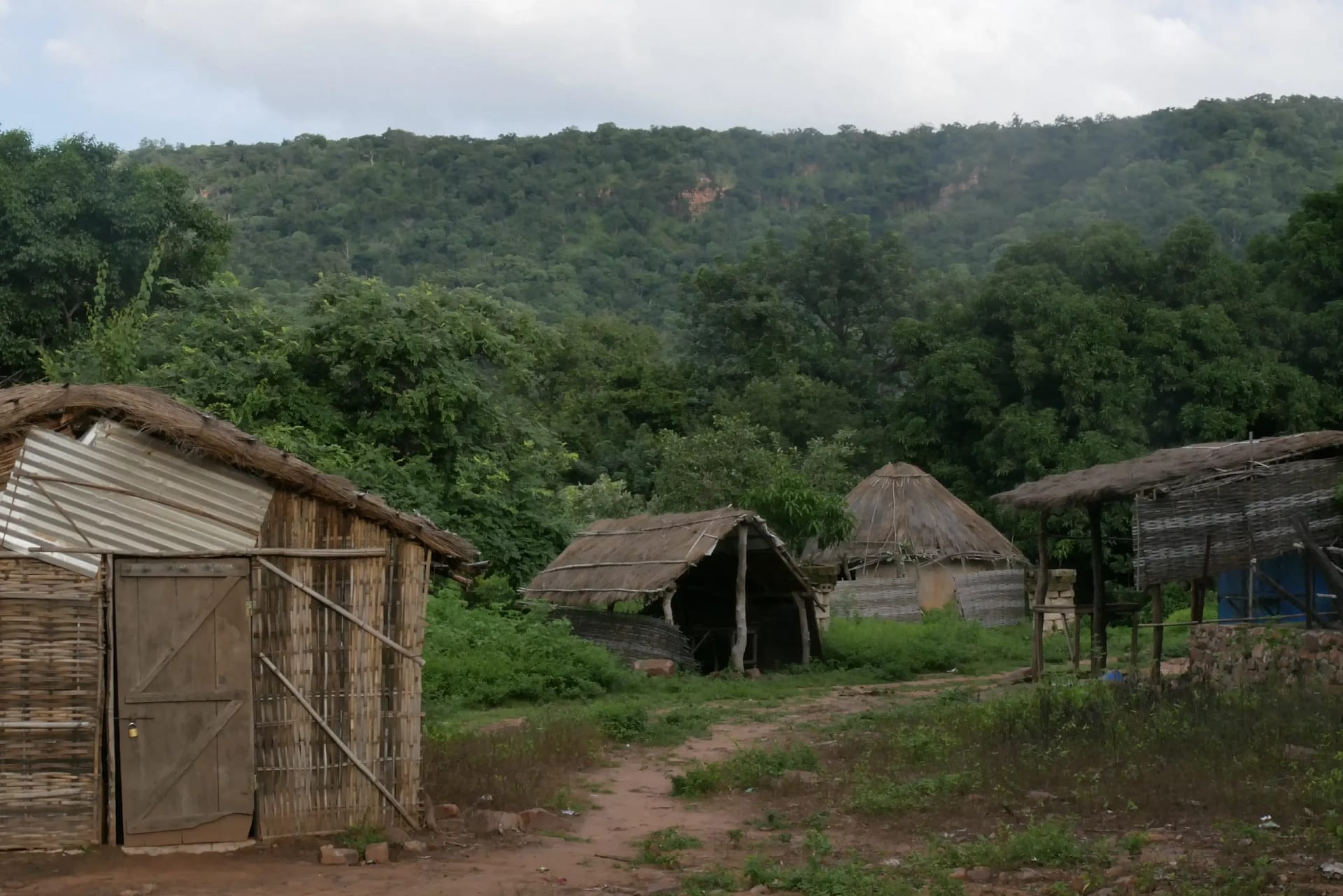
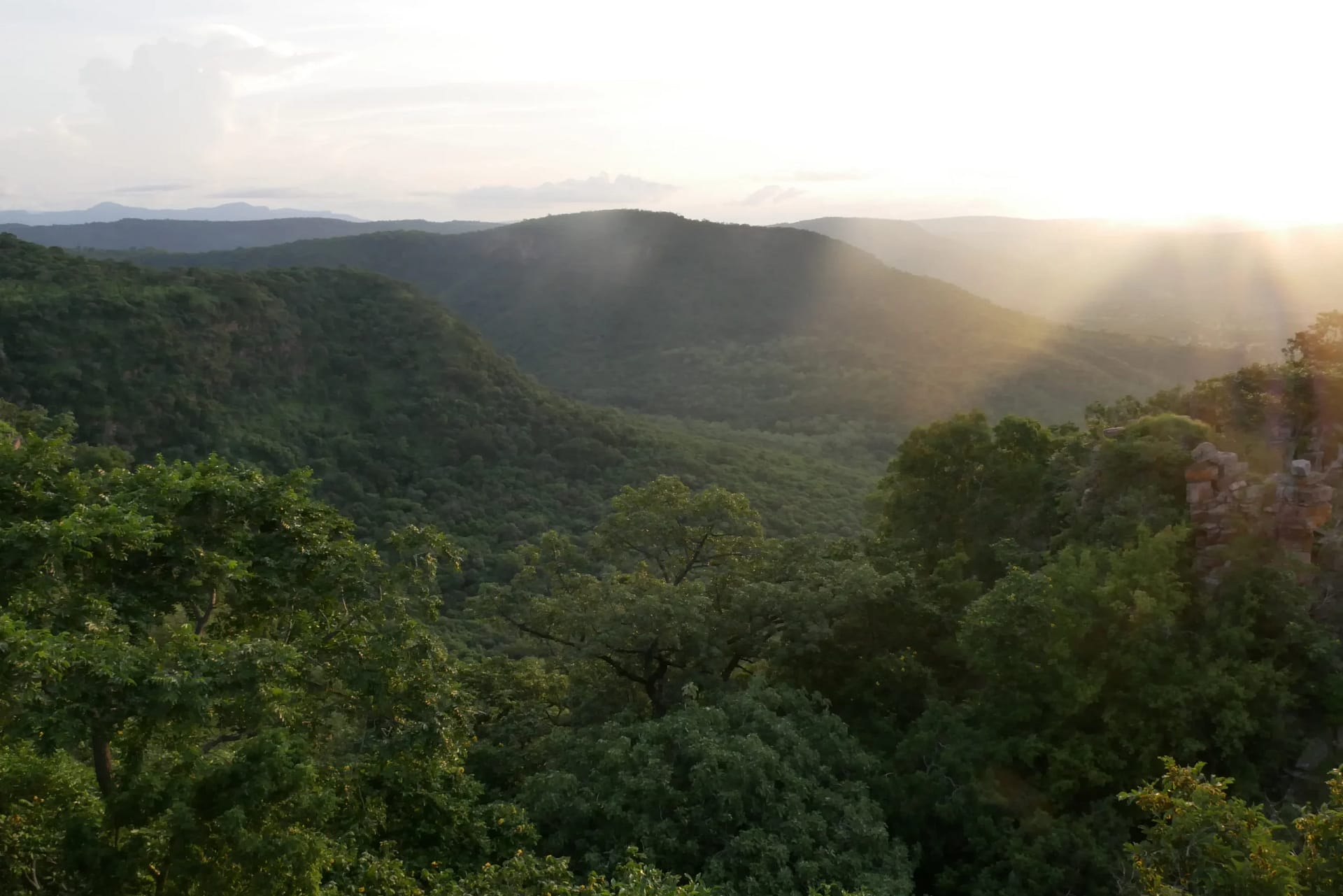
The wider landscape is one of the few remaining regions in West Africa with an opportunity for large-scale ecosystem conservation – forests, wetlands and wildlife. The Guinea side of the border has enormous value in terms of its extensive wetlands which function as a ‘water tower’ for the Gambie and the Senegal rivers.
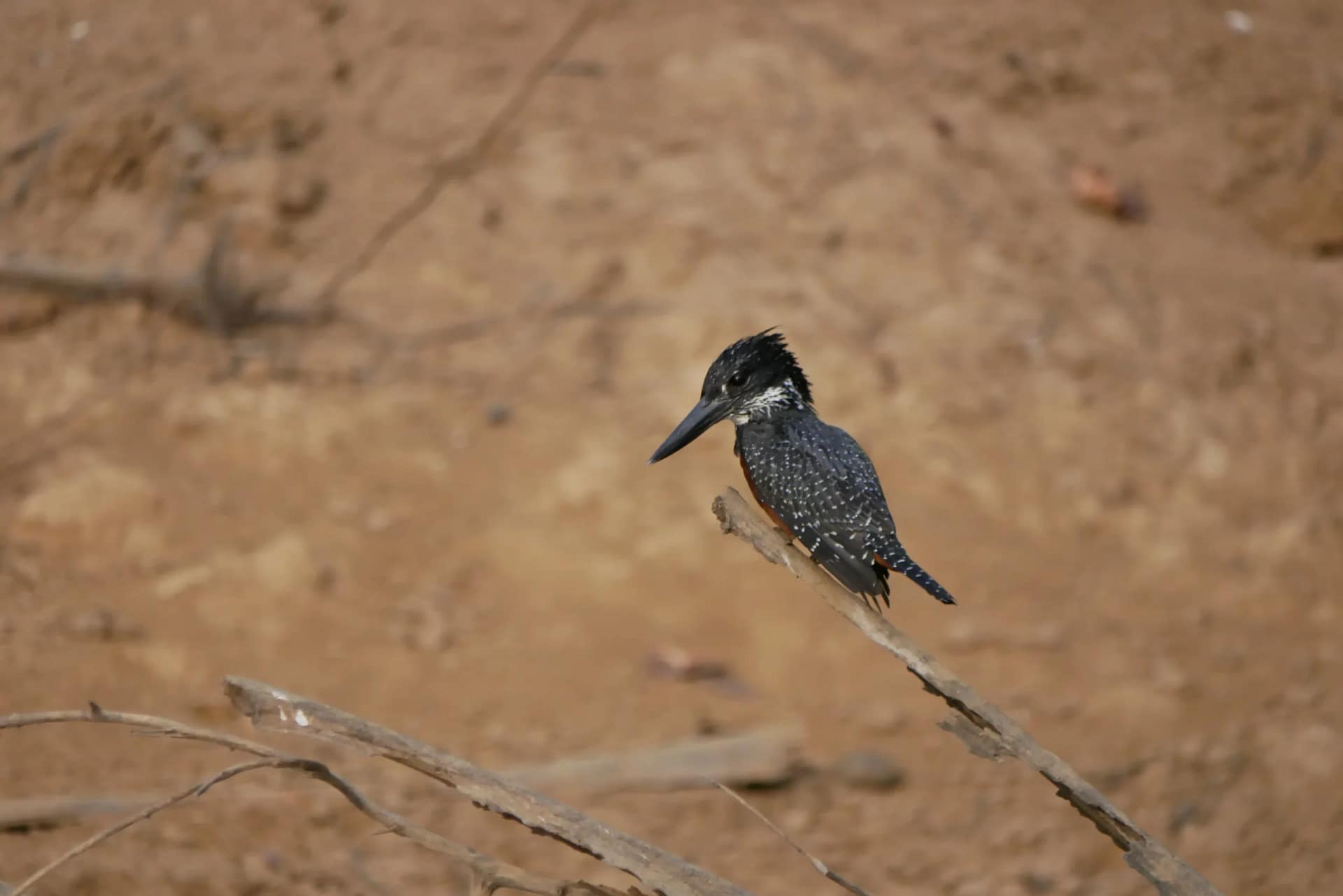
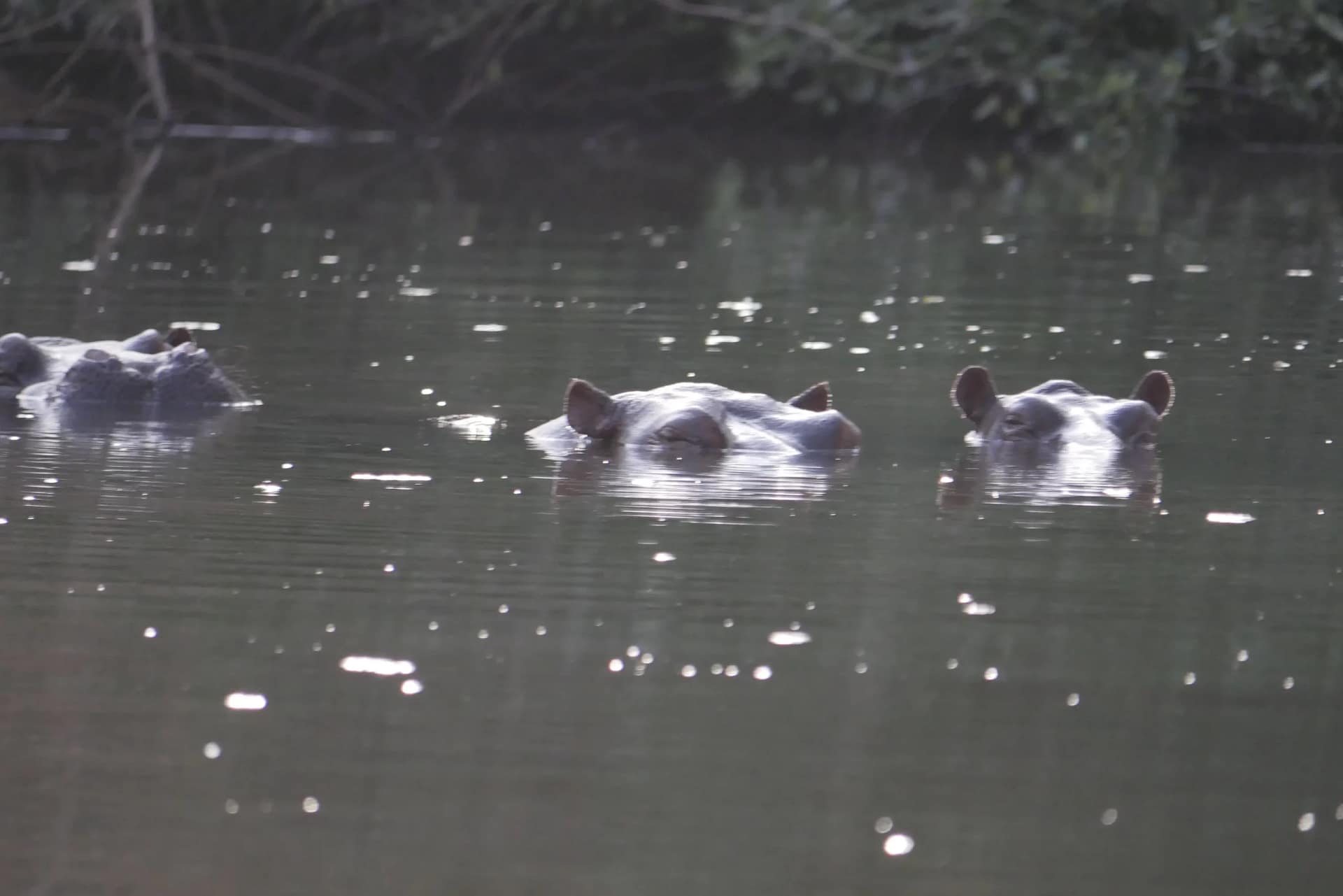
In the Niokolo-Koba national park (Senegal) and in the Badiar national park (Guinee) at least 70 species of mammals, 36 reptiles, 20 amphibians and over 1500 plant species have been recorded. In terms of birds, the “Avibase” lists 347 species, including 14 globally threatened such as the White-backed Vulture (Critically Endangered), Bateleur (Endangered), Northern Ground Hornbill (Vulnerable) and European Turtle Dove (Vulnerable). It is also a key region for migratory birds with more than 60 species recorded.
Partly overlapping with the Badiar NP, the Gambie-Koulountou Ramsar Site in Guinea is an extensive floodplain of the Koulountou River, the Gambia River’s main tributary. The biodiversity profile is likely to be similar to Badiar although it has weaker protection and management.
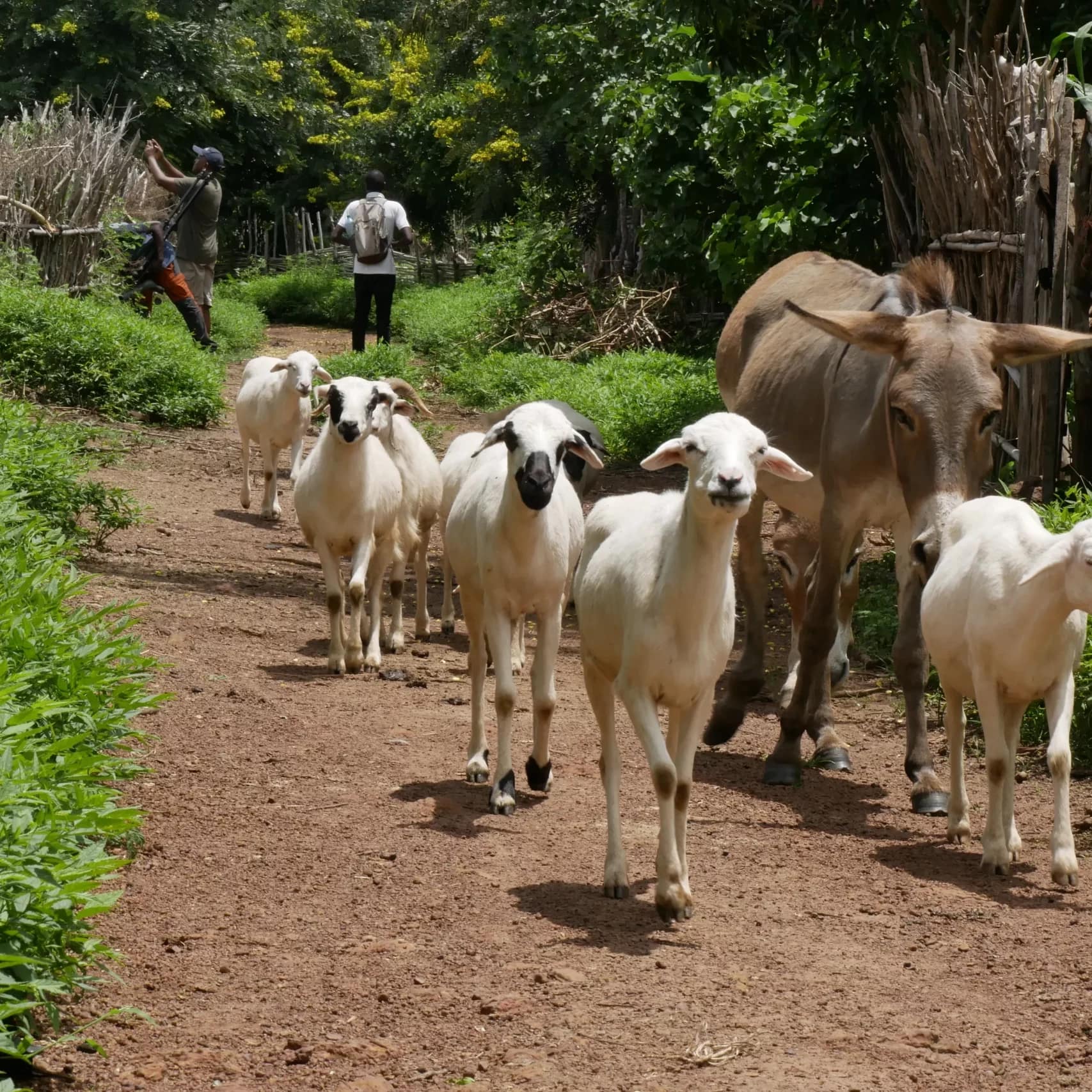
The main threats in this landscape are poaching, fires, overgrazing by livestock and mining. On the Guinean side there is also pressure from hunting for food and commercial purposes. Adding to these threats are tree cutting, unsustainable fishing, palm-tapping and a proposal for the construction of the Sambangalou dam on the Gambia river, at the border between the two countries.
Over 18 months, the programme will support an extensive scoping, monitoring and planning exercise that will lay the foundation for long-term nature conservation in the southeastern Senegal and northern Guinea areas of this wider landscape.
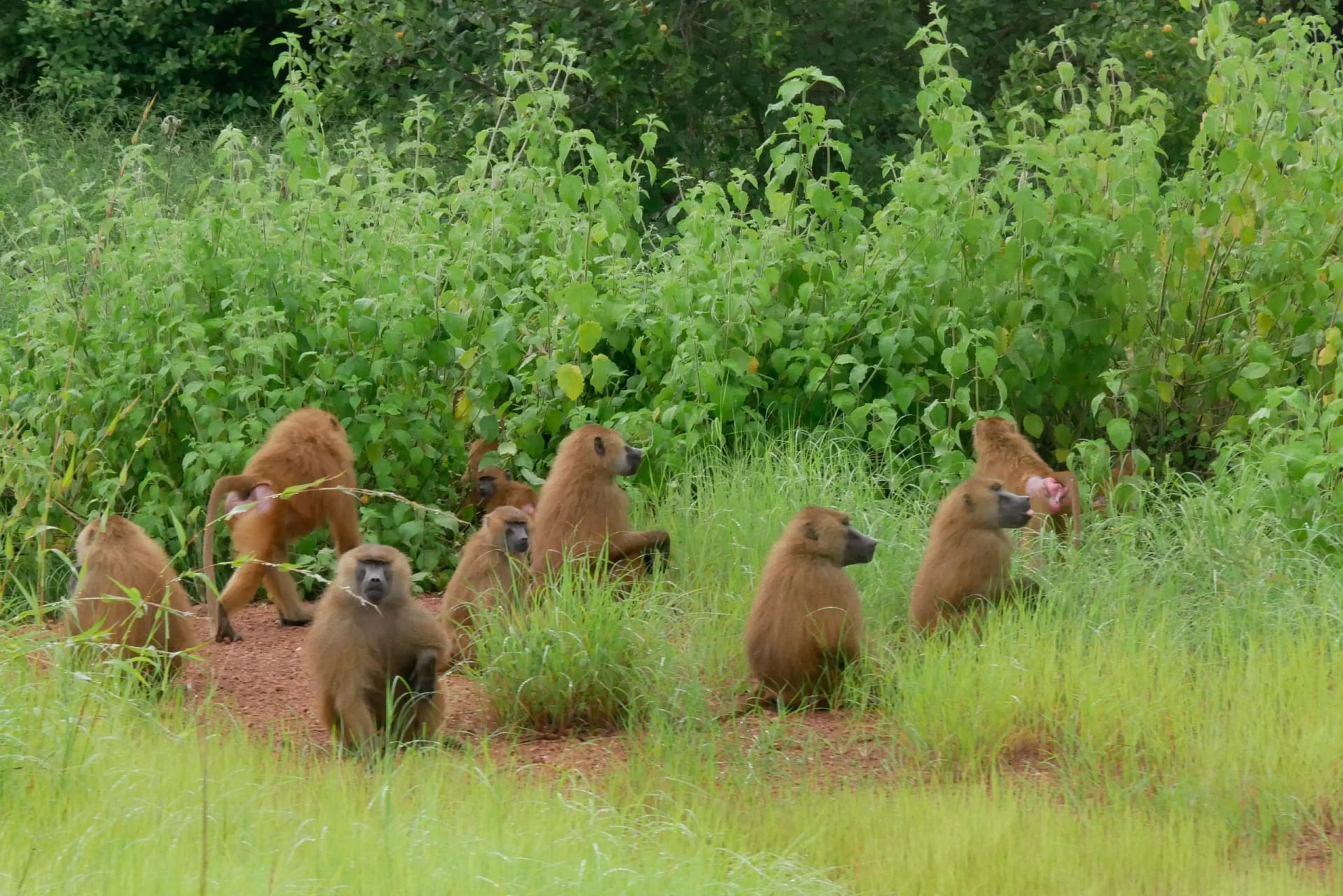
The long-term (≥ 10 years) outcome of the initiative is to secure the ecological richness and functioning of a unique West African landscape for the benefit of birds, wider biodiversity and people.
This will be done by delivering four main outputs:
Biodiversity Bridges
Protecting forests in Cerro Castillo National Park
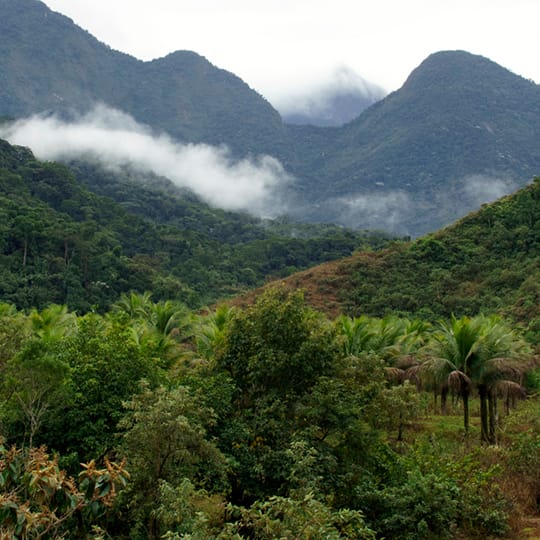
Restoration of the Guapiaçu watershed
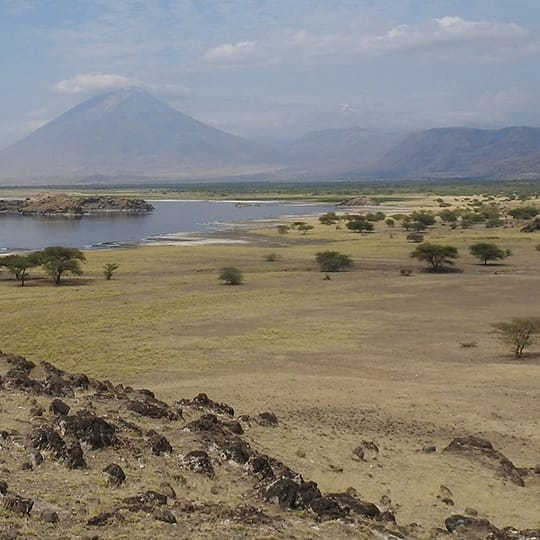
A sustainable future for the Greater Serengeti-Mara Ecosystem
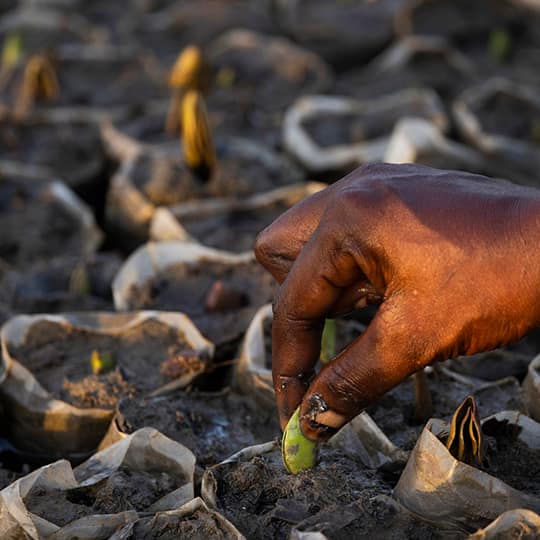
Seed-funding for Impact: Catalyzing private investments in ecological restoration
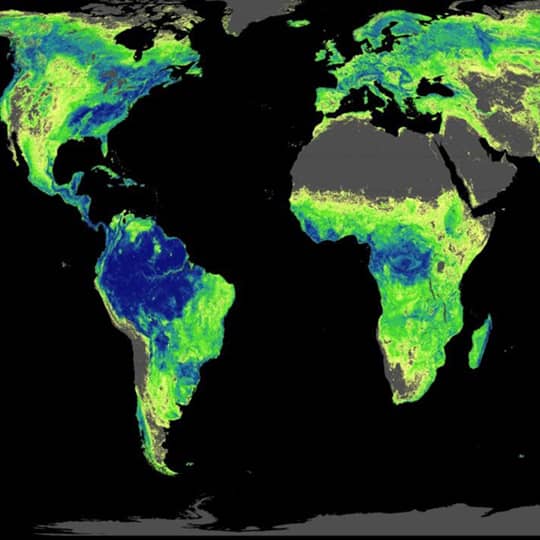
Scientific research for better restoration
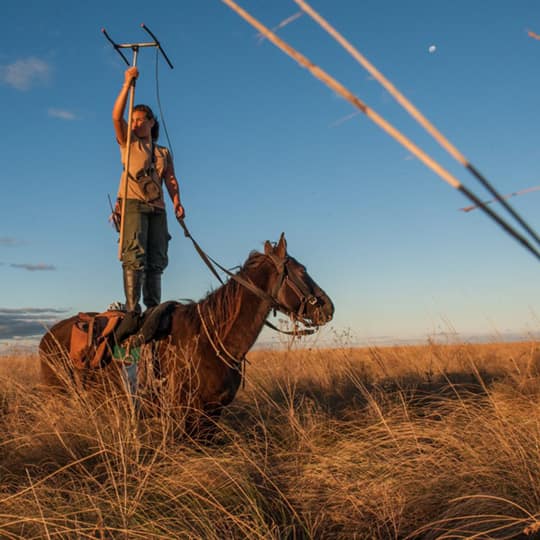
Rewilding the Gran Chaco

Saving High Andean Wetlands for People and Nature
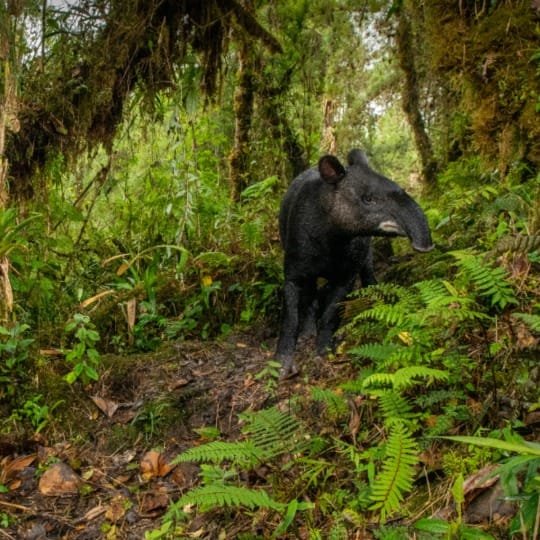
Improving conservation measures

Empowering Indigenous Governance in Nembi Guasu
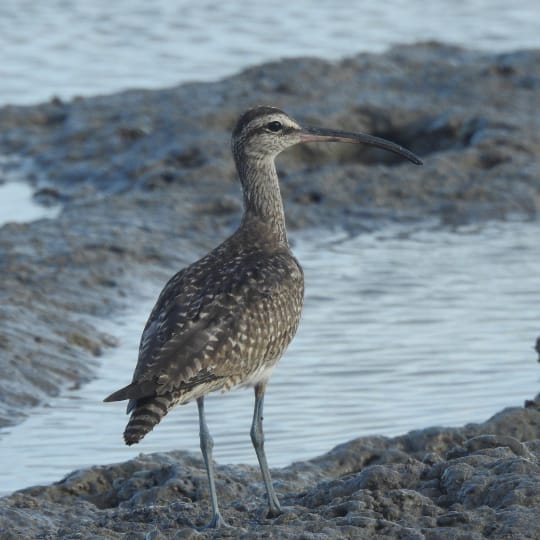
A regional conservation plan for the Guianas Green Coast
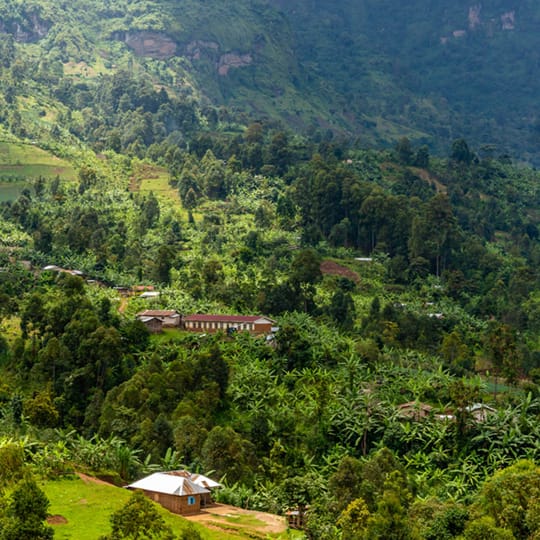
Restoring the Manafwa watershed
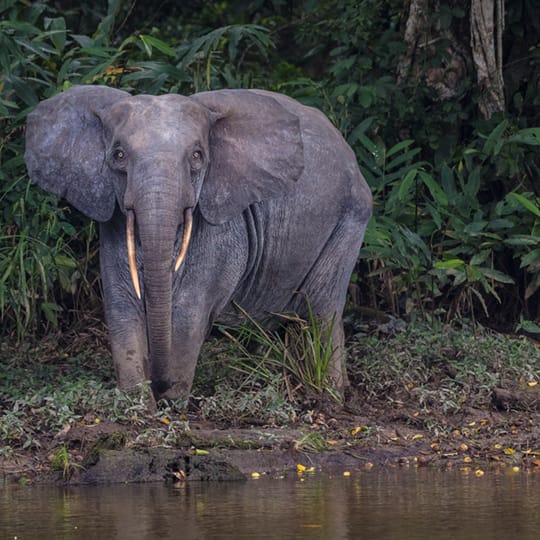
Embedding intelligence-based conservation in Odzala-Kokoua National Park
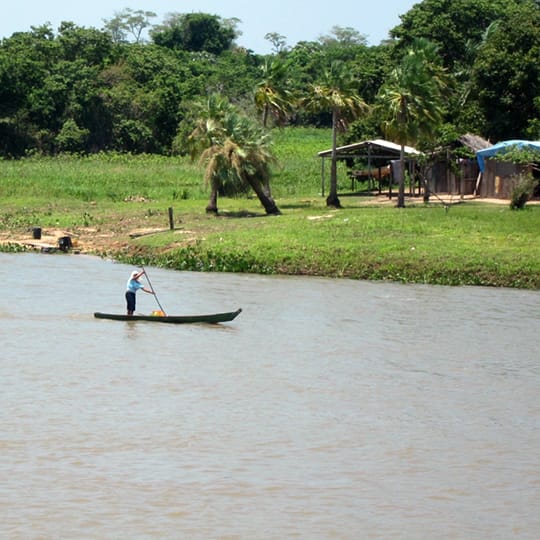
Wetlands without Borders
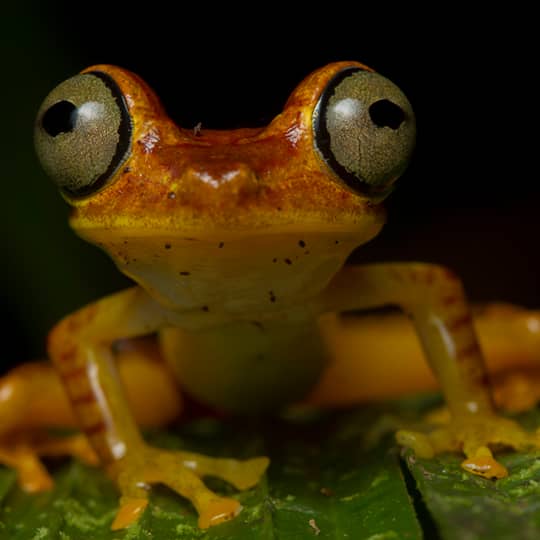
Saving the Chocó rainforest in Ecuador
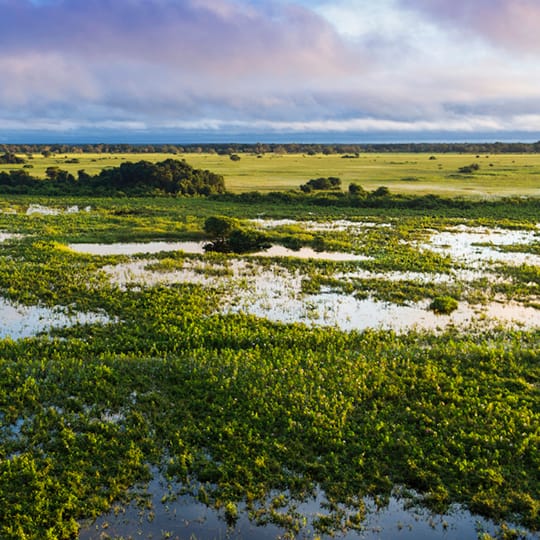
Saving the Corredor Azul
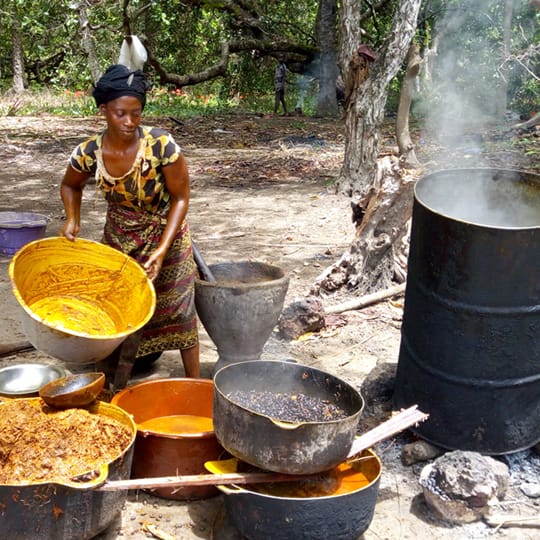
Saving the mangroves in Tristao and Kapatchez
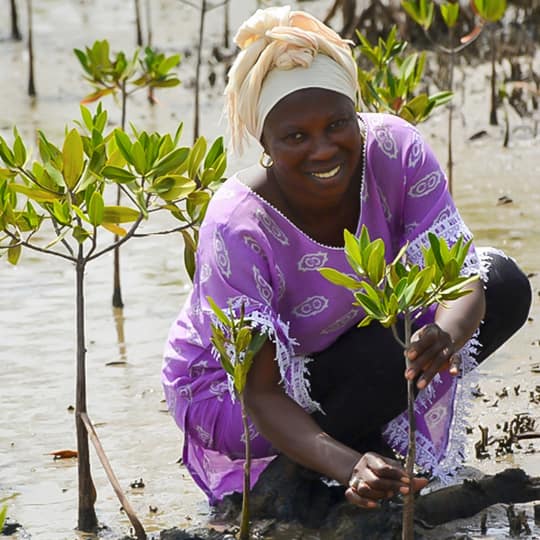
Safeguarding mangroves along the West and East African coasts

Landscape restoration of indigenous forest in Ghana

Resource Watch
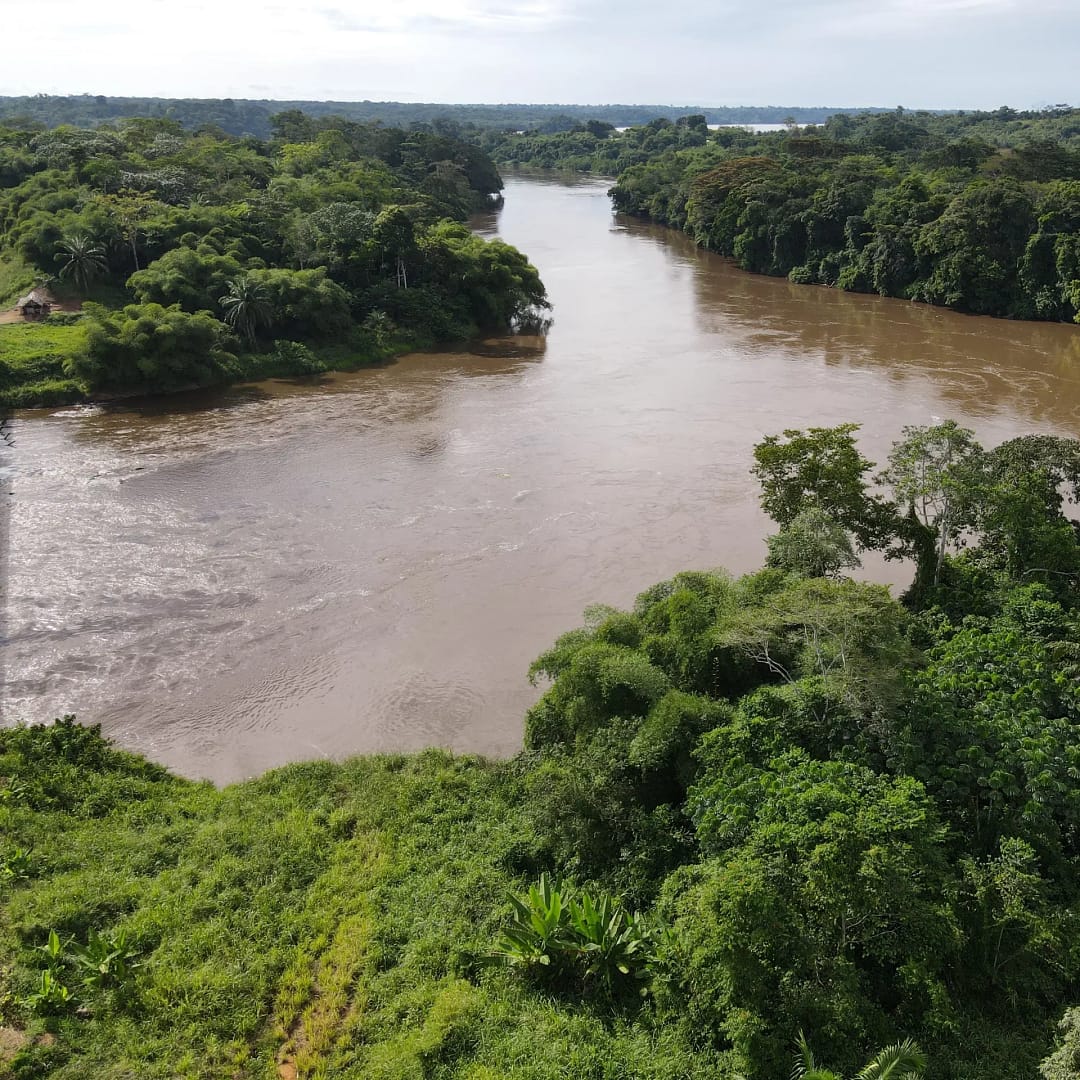
Biodiversity Bridges
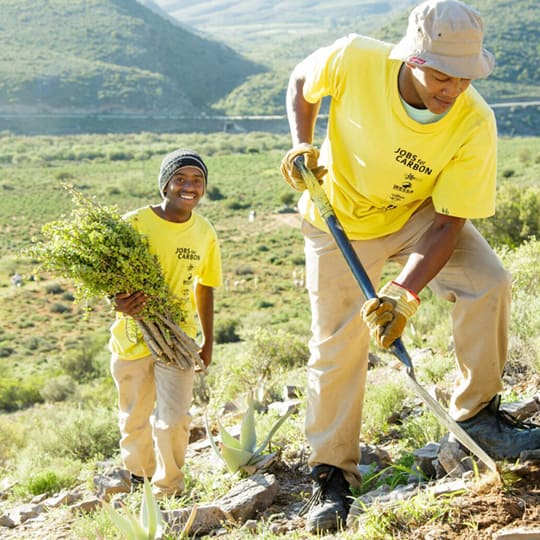
Restoring the Gouritz Cluster Biosphere Reserve
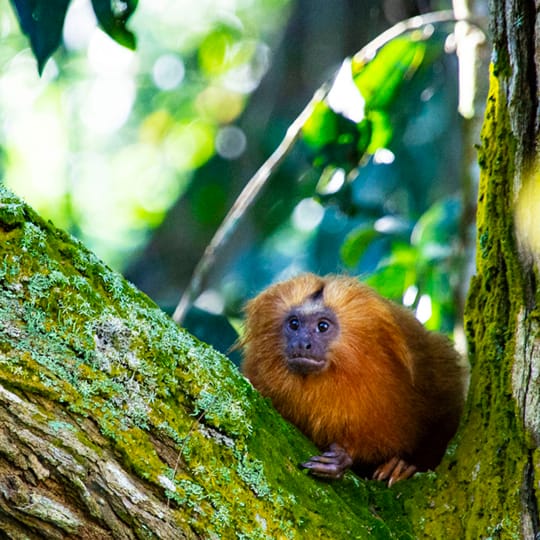
Ecological restoration of the Atlantic Forest in Brazil
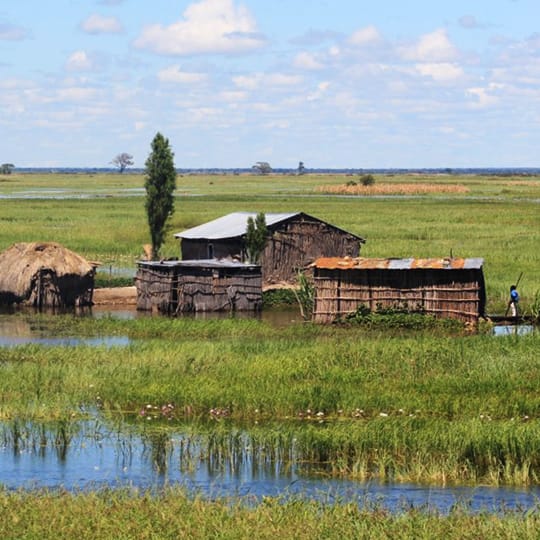
A resilient Zambezi river basin for people and nature
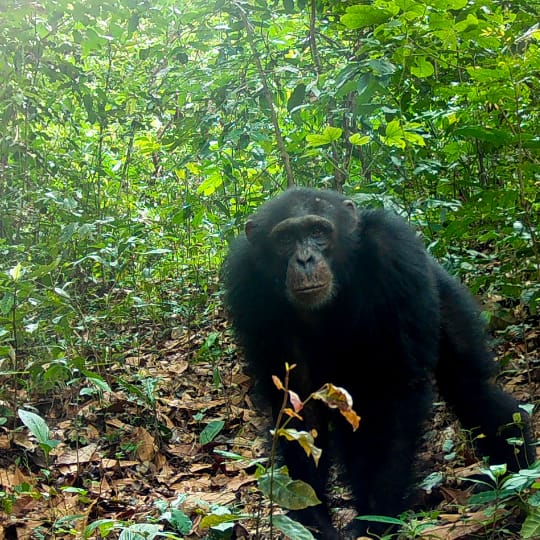
Conservation of the Gashaka Gumti National Park and its wider landscape
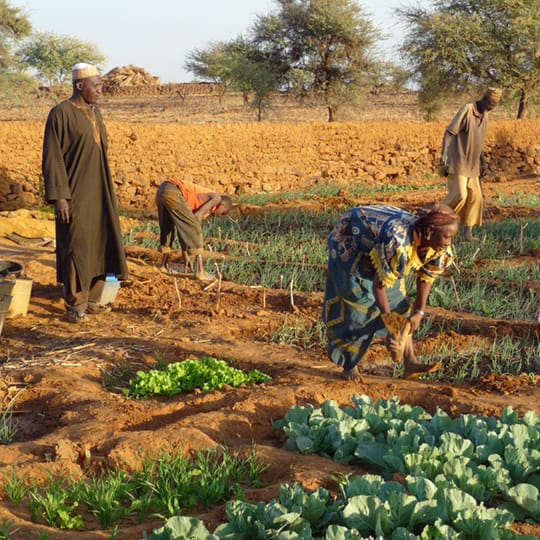
Communities regreen
the Sahel
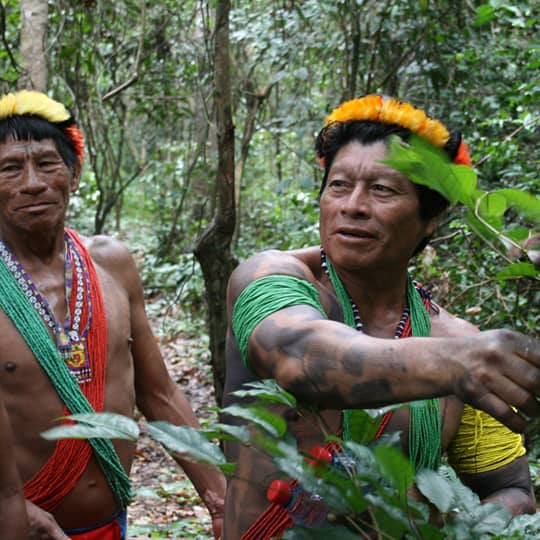
Guardians of the Amazon forest
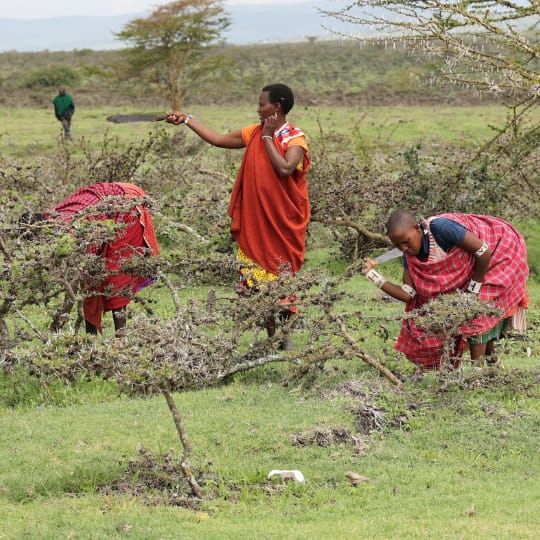
Supporting landscape-wide restoration of healthy grazing lands