

Nguru Landscape Forest Program
Since 2026
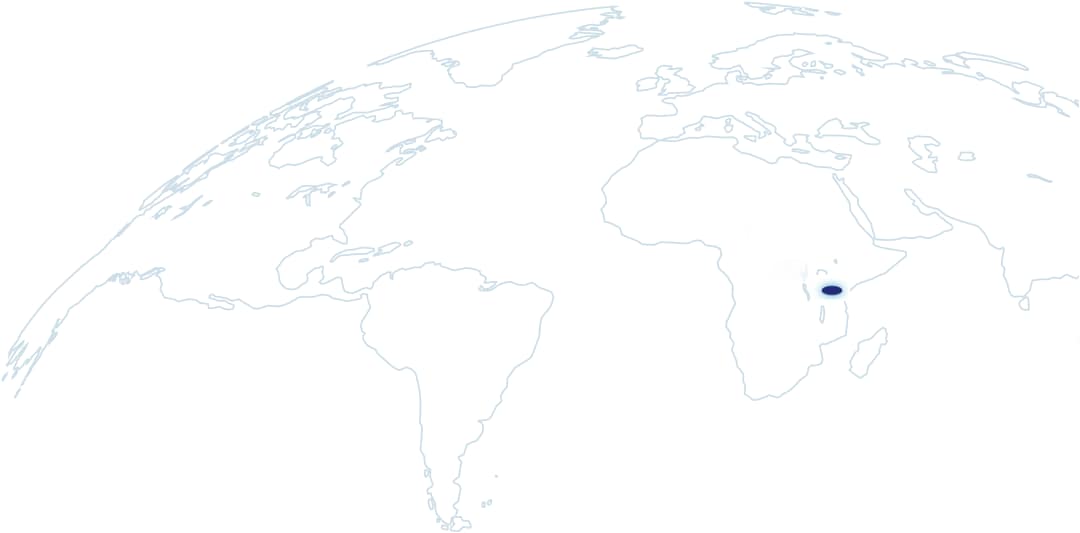
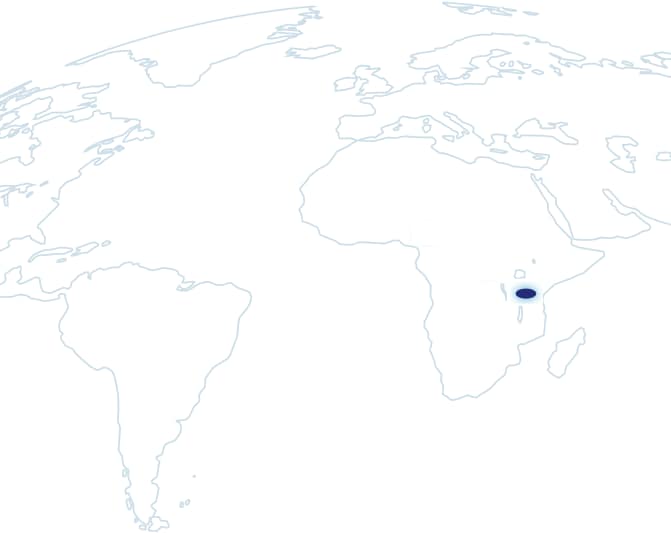
The Eastern Arc Mountains are a chain of ancient, isolated ranges forming a crescent-shaped arc that stretches from the Taita Hills in Kenya through the Usambara, Uluguru, and Udzungwa Mountains in Tanzania. They are recognized as one of the world’s most significant biodiversity hotspots, harbouring an extraordinary number of endemic plant and animal species found nowhere else on Earth. These mountains play a crucial role in regulating regional climate and serve as a vital water catchment, supplying millions of people, including those in major cities such as Dar es Salaam.
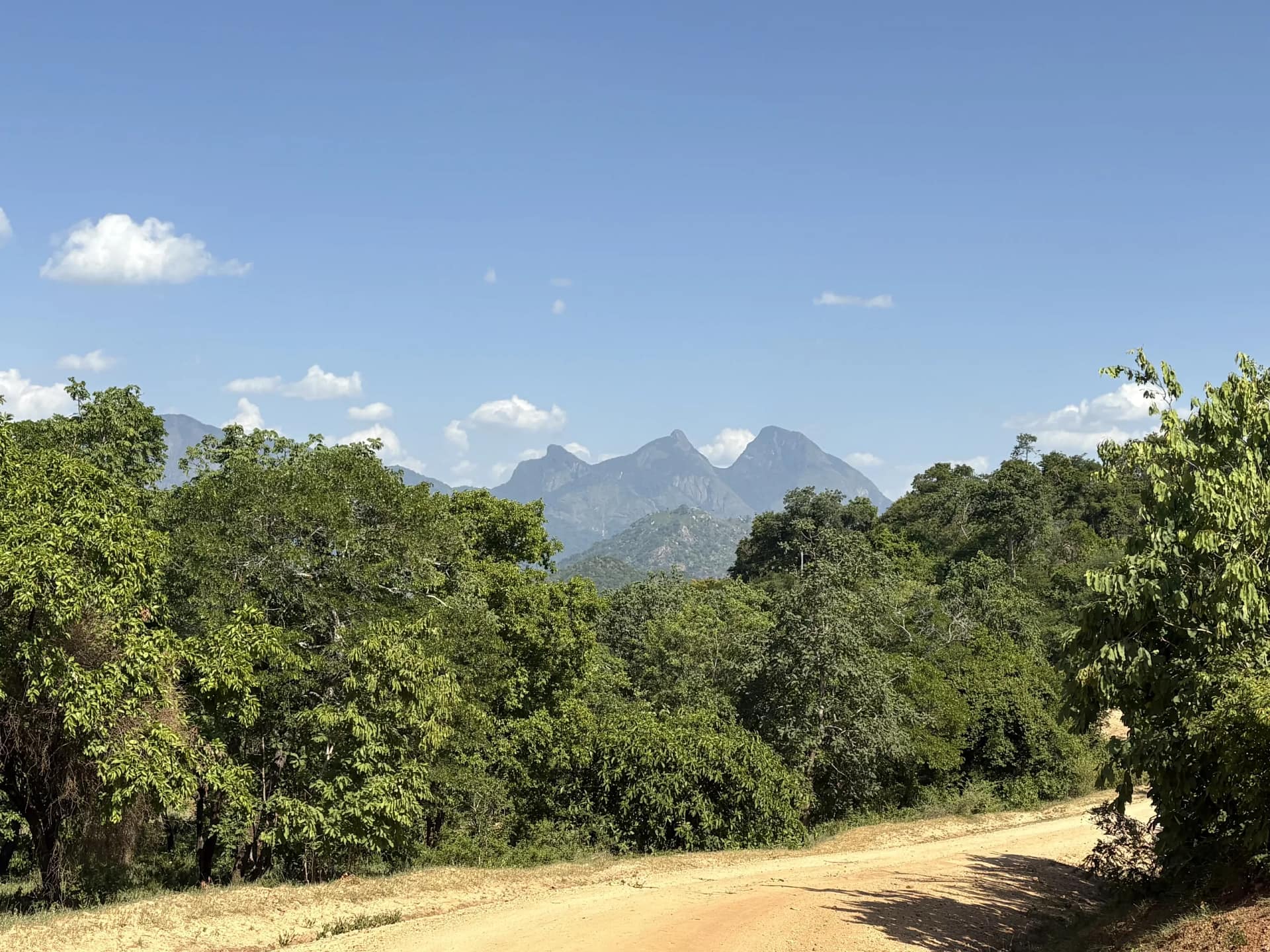
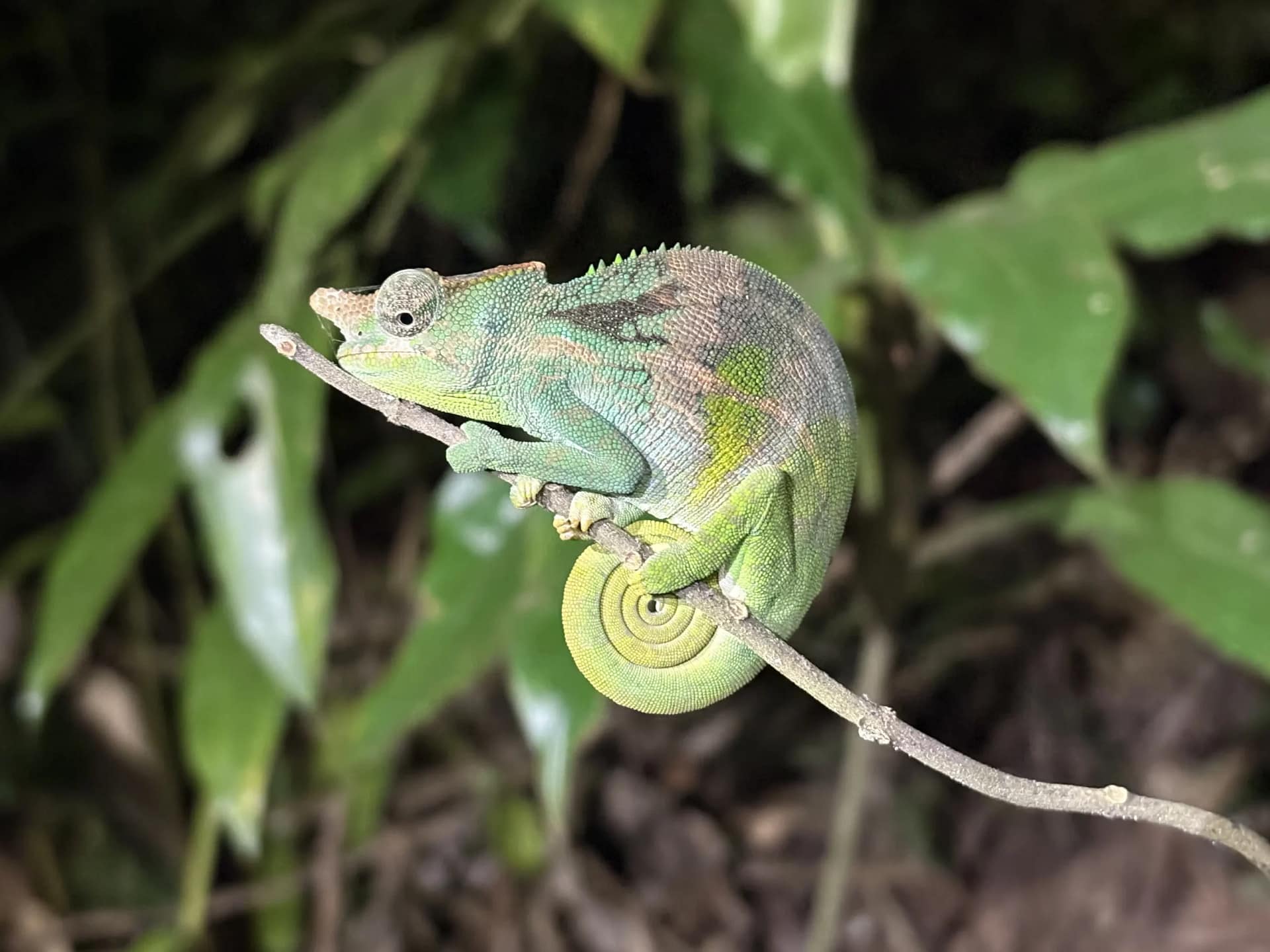
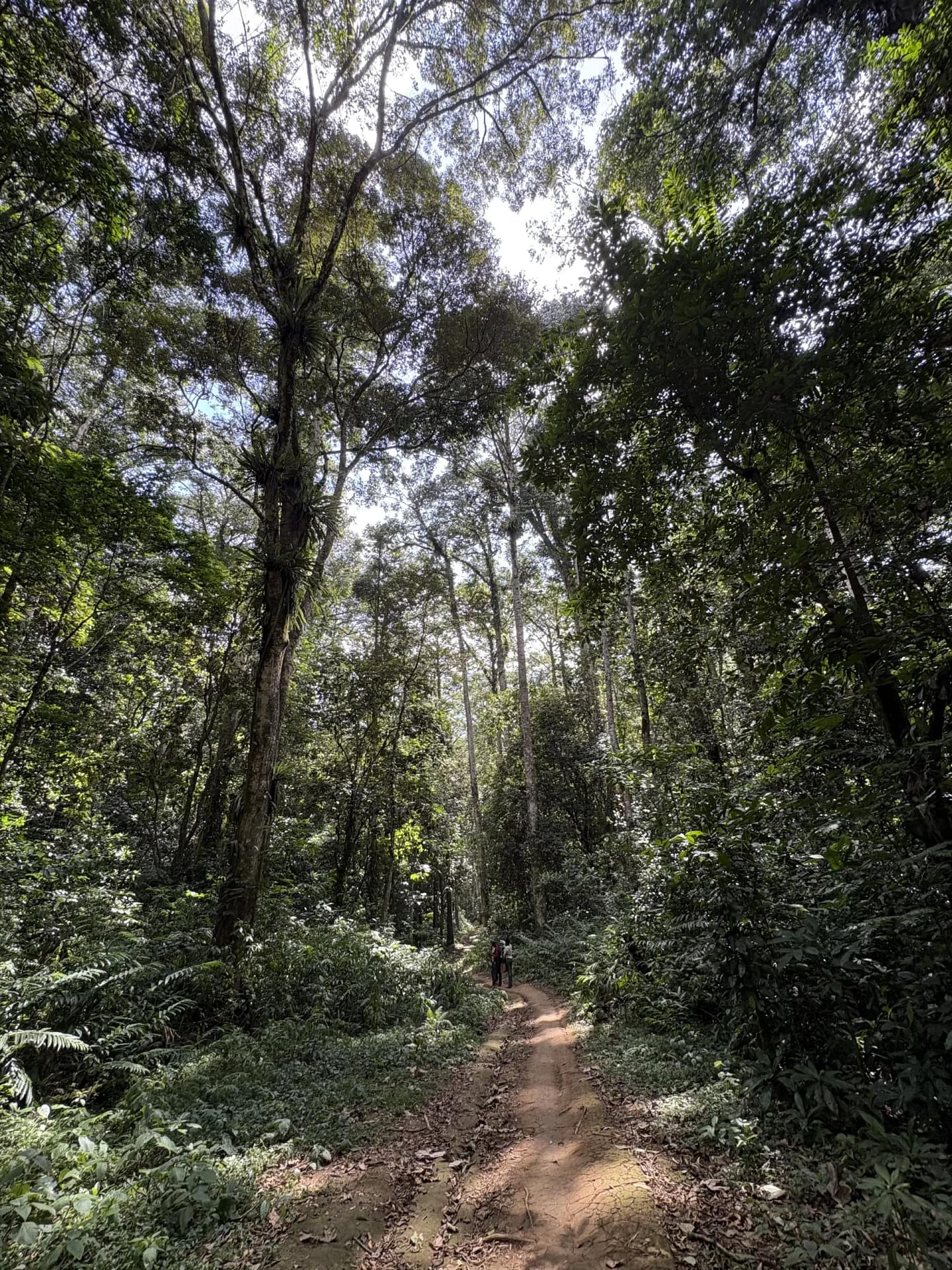
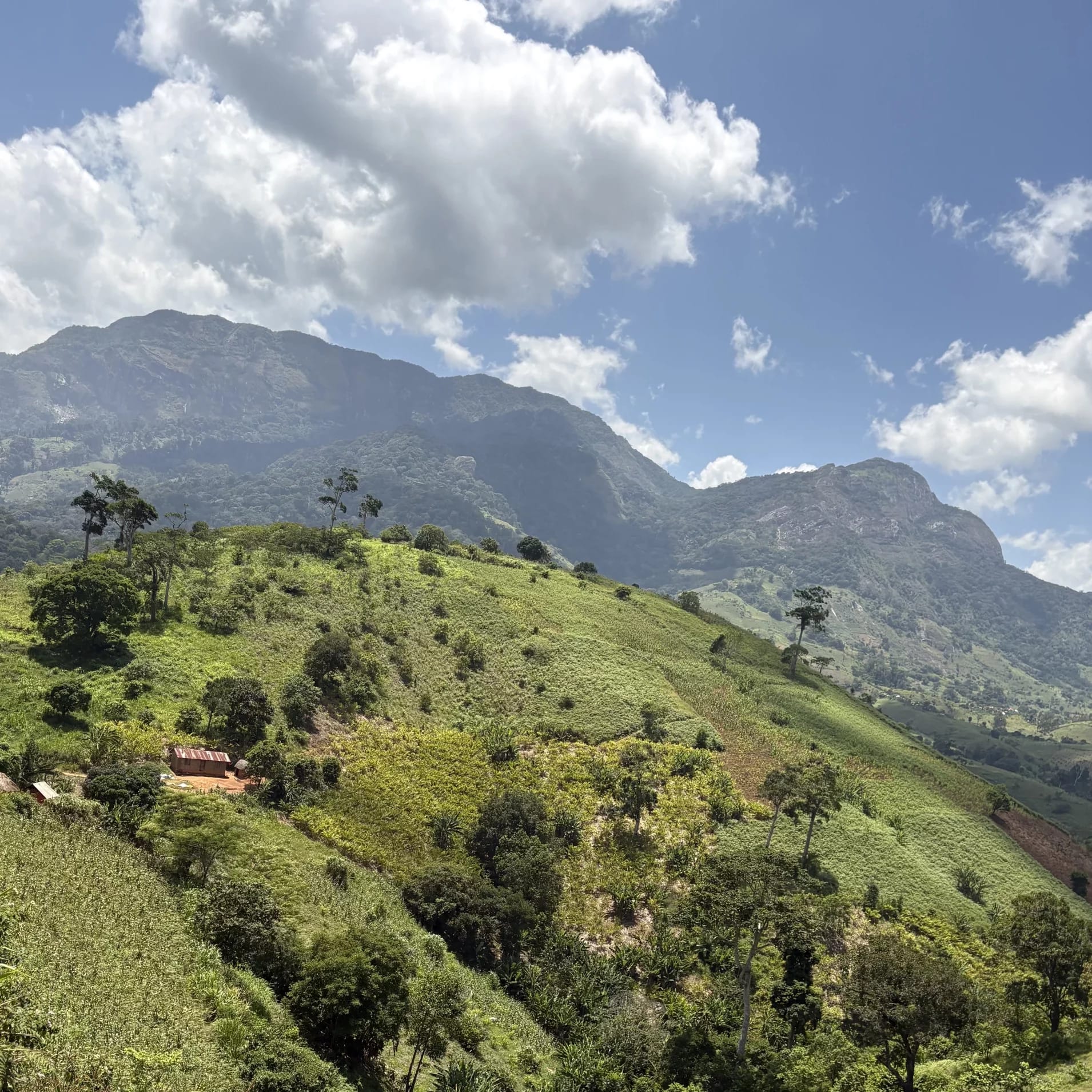
The Nguru Mountains are among the most biologically important yet scientifically understudied landscapes within Tanzania’s Eastern Arc Mountains biodiversity hotspot. Covering approximately 1,703 km²—with 340 km² (20%) under formal protection—they contain one of the largest relatively intact forest blocks remaining in the Eastern Arc. Despite their exceptional ecological significance, the Ngurus have historically received less research attention than other mountain blocks due to their remoteness. Recent biological surveys, however, have revealed extraordinary levels of species richness and endemism, underscoring the global conservation value of this landscape.
The Nguru landscape has lost approximately 9,130 hectares of tree cover between 2001 and 2024. Immediate threats include:
• Deforestation and habitat degradation driven by slash-and-burn agriculture, illegal logging, and fuelwood collection.
• Encroachment into protected areas, particularly for the cultivation of cardamom, yams, and maize, often through under-canopy farming or complete forest clearance.
• Poaching and unsustainable hunting, leading to declining wildlife populations.
• Infrastructure and settlement expansion, including road construction and village growth along the forest periphery.
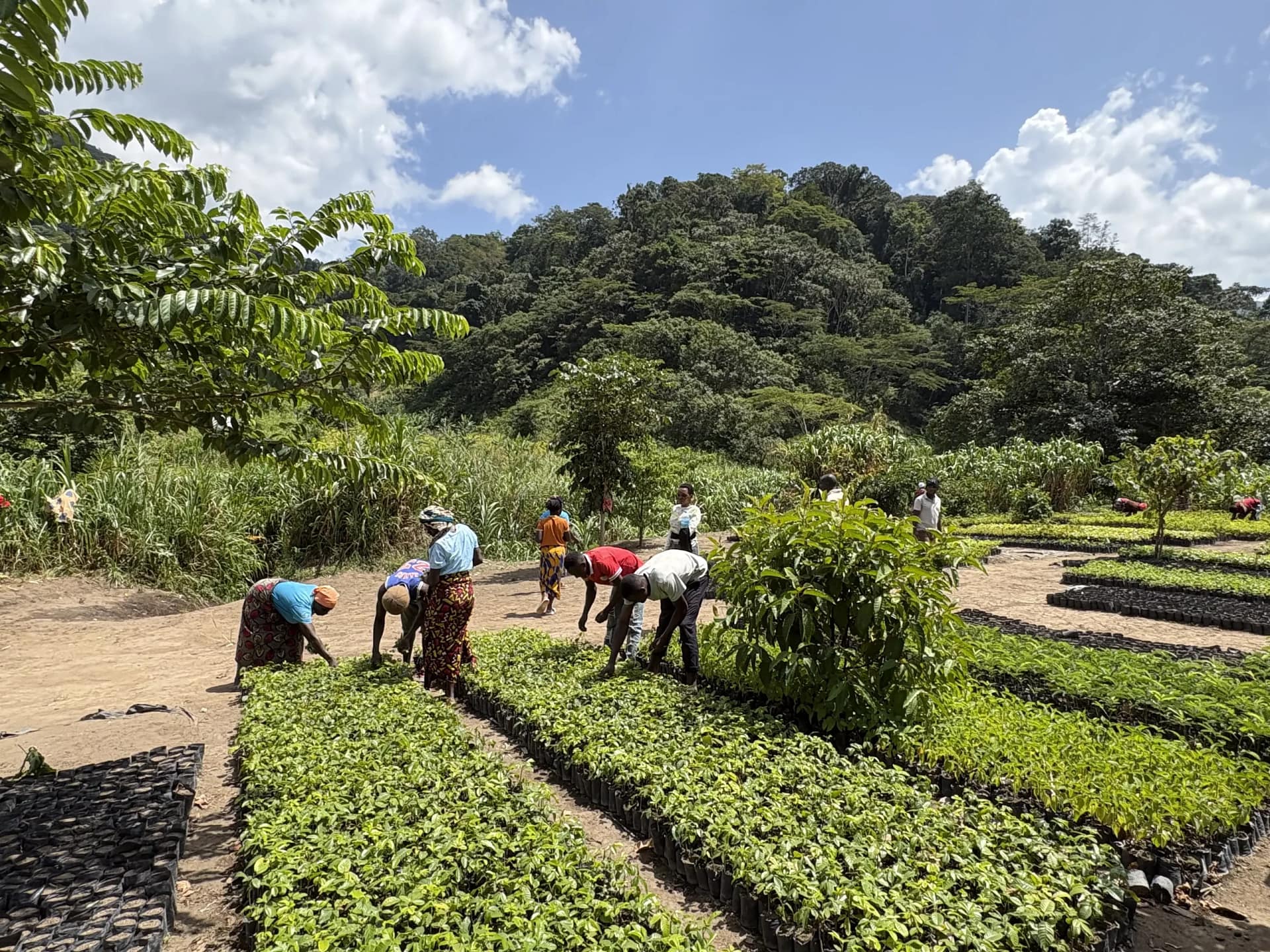
The Nguru Landscape Forest programme is designed to protect remaining forests, restore degraded areas, and improve livelihoods for communities living in and around the forest.
This programme, led by PAMS Foundation supports:

The programme has three main objectives:
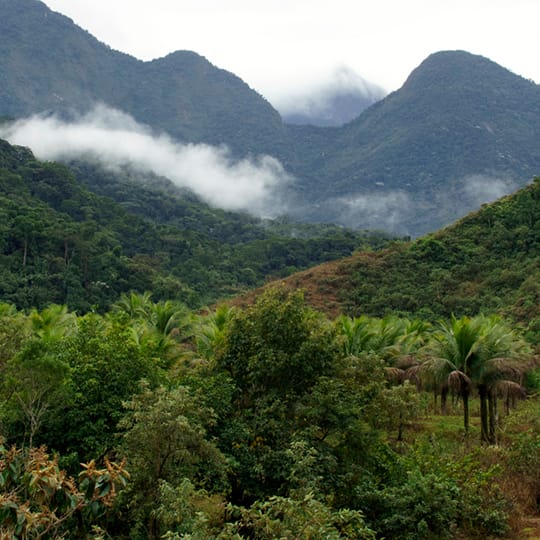
Restoration of the Guapiaçu watershed

Landscape restoration of indigenous forest in Ghana
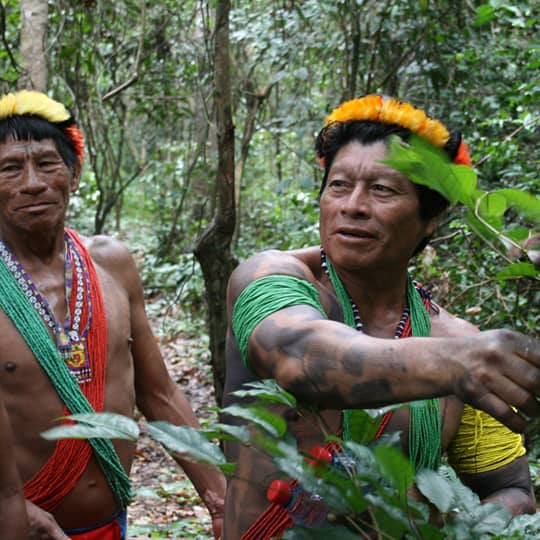
Guardians of the Amazon forest
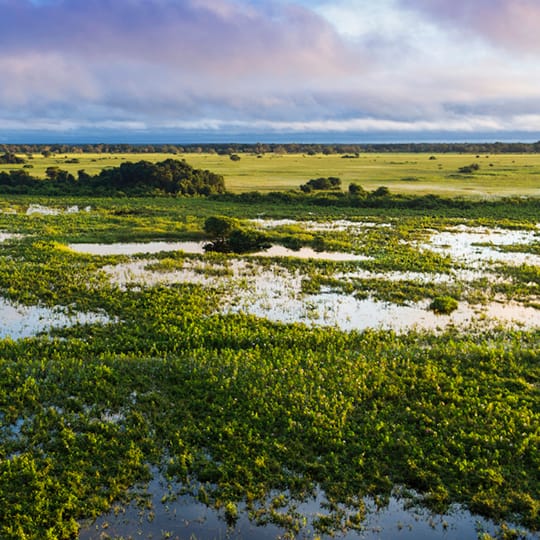
Saving the Corredor Azul
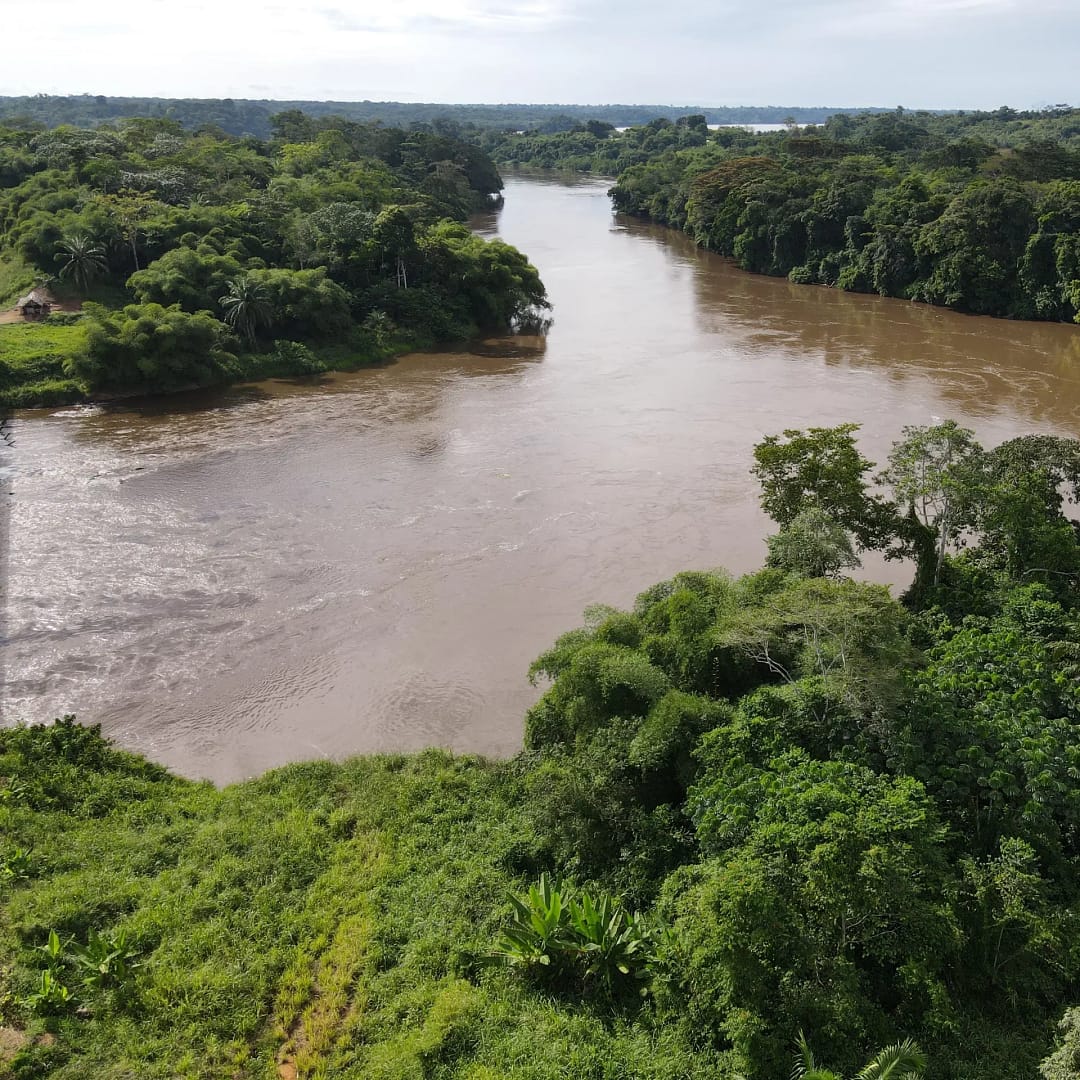
Biodiversity Bridges

Restoring the Gouritz Cluster Biosphere Reserve

Protecting forests in Cerro Castillo National Park
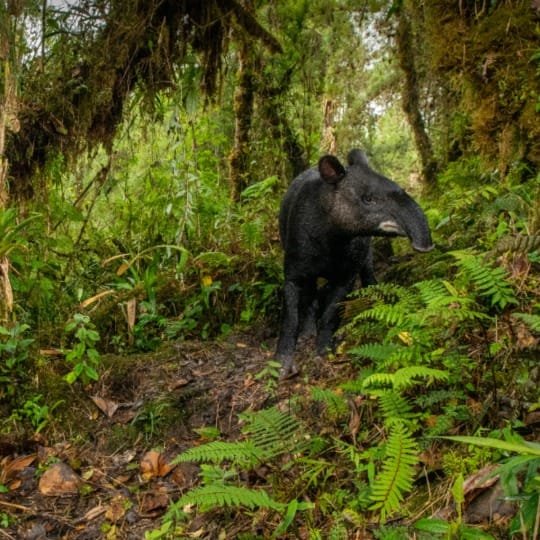
Improving conservation measures
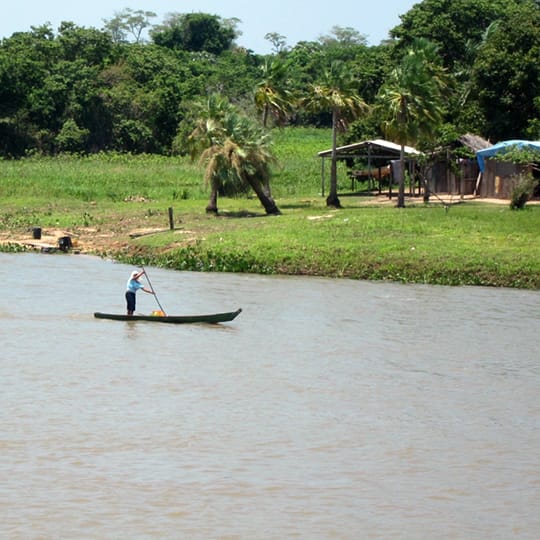
Wetlands without Borders
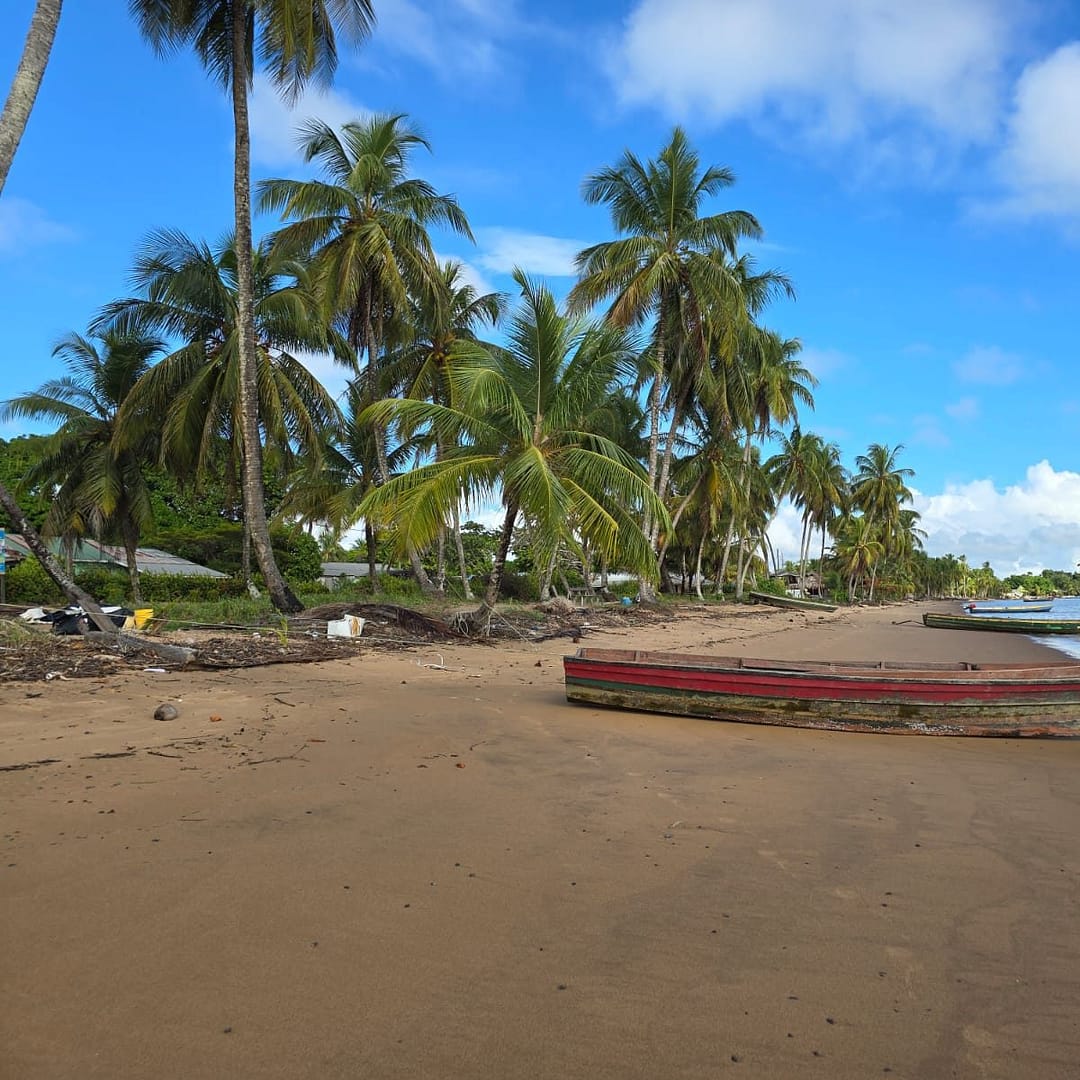
Wildlife, health, and governance in Indigenous and Traditional Territories in Suriname

Saving the Chocó rainforest in Ecuador
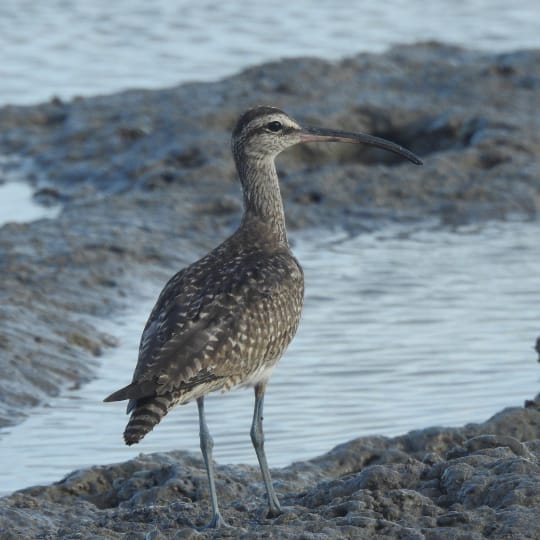
A regional conservation plan for the Guianas Green Coast
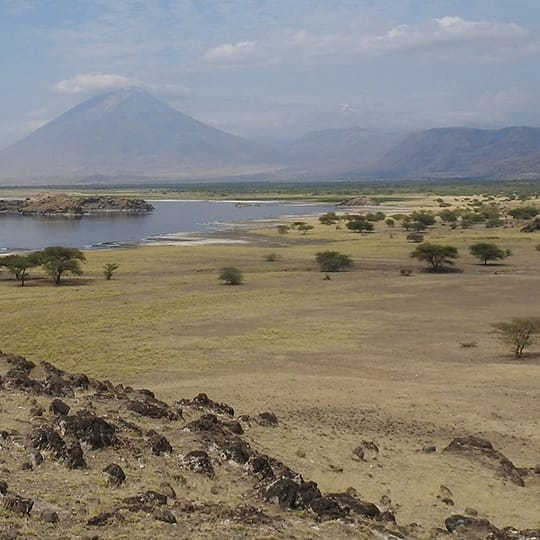
A sustainable future for the Greater Serengeti-Mara Ecosystem

Empowering Indigenous Governance in Nembi Guasu
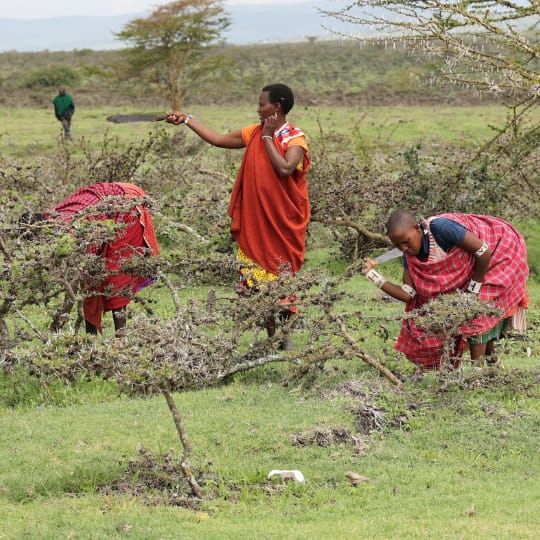
Supporting landscape-wide restoration of healthy grazing lands

Saving High Andean Wetlands for People and Nature
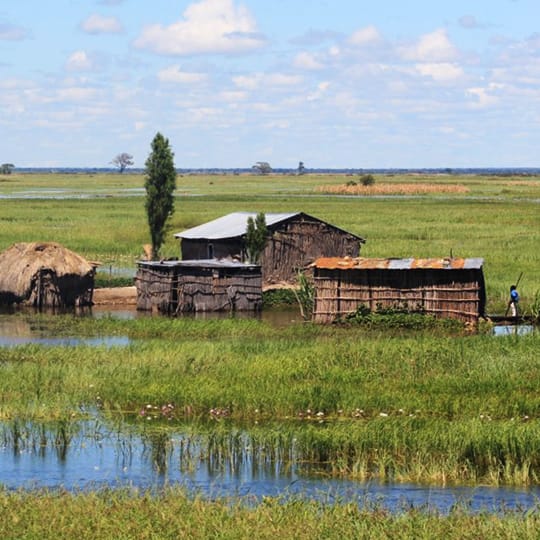
A resilient Zambezi river basin for people and nature
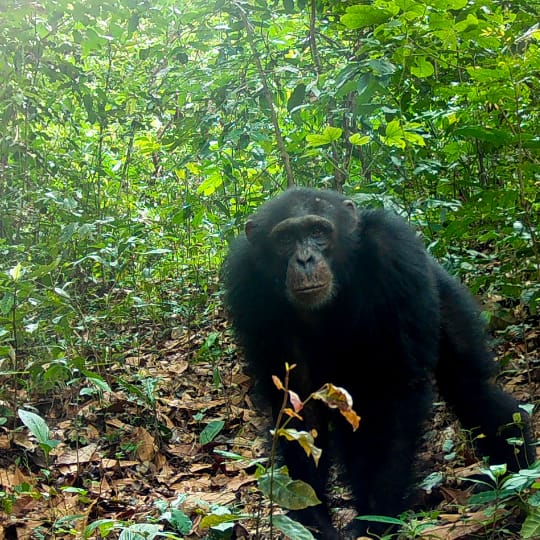
Conservation of the Gashaka Gumti National Park and its wider landscape
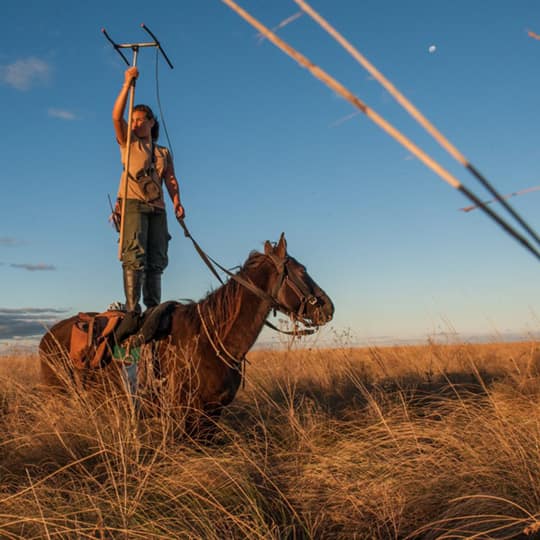
Rewilding the Gran Chaco
Biodiversity Bridges

Resource Watch
Conservation in the Niokolo-Badiar-Koulountou transboundary landscape in West Africa
Ecological restoration of the Atlantic Forest in Brazil
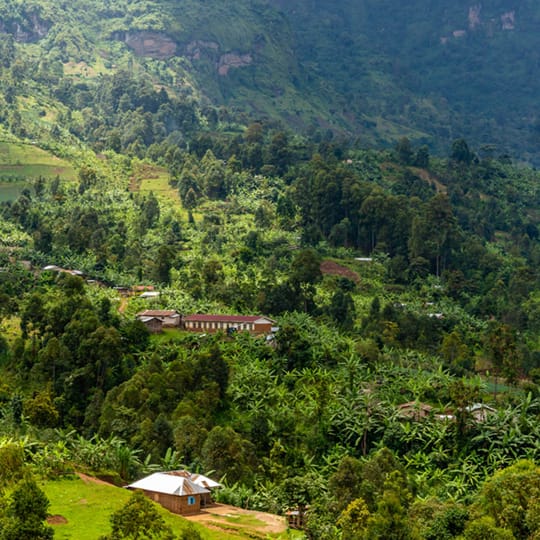
Restoring the Manafwa watershed
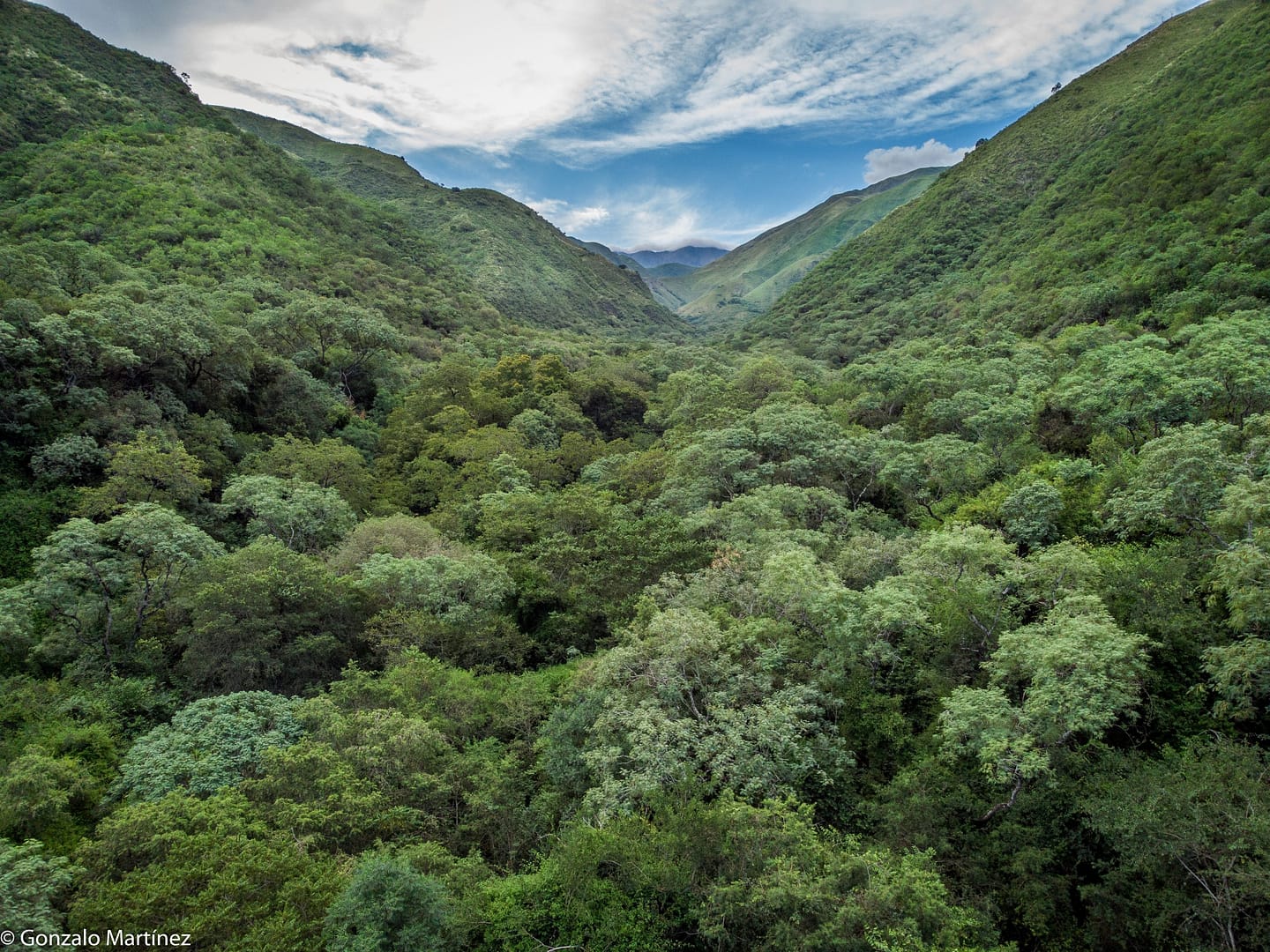
The Ambato effect
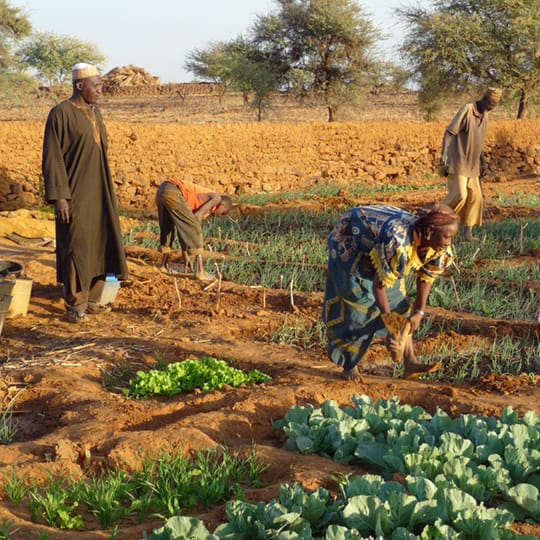
Communities regreen
the Sahel
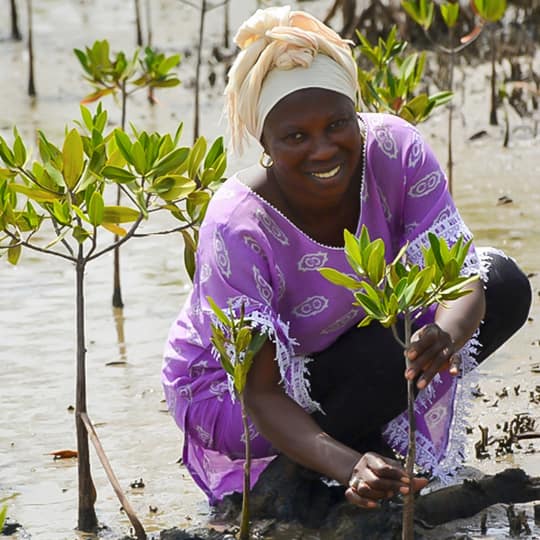
Safeguarding mangroves along the West and East African coasts
Embedding intelligence-based conservation in Odzala-Kokoua National Park
Seed-funding for Impact: Catalyzing private investments in ecological restoration
Saving the mangroves in Tristao and Kapatchez
Scientific research for better restoration