


Wildlife, health, and governance in Indigenous and Traditional Territories in Suriname
Since 2025
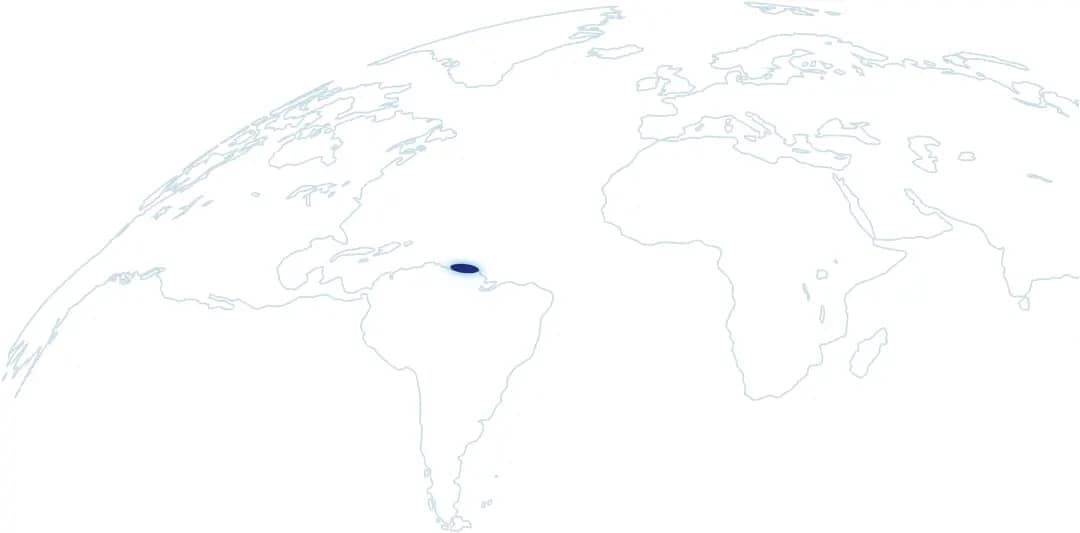
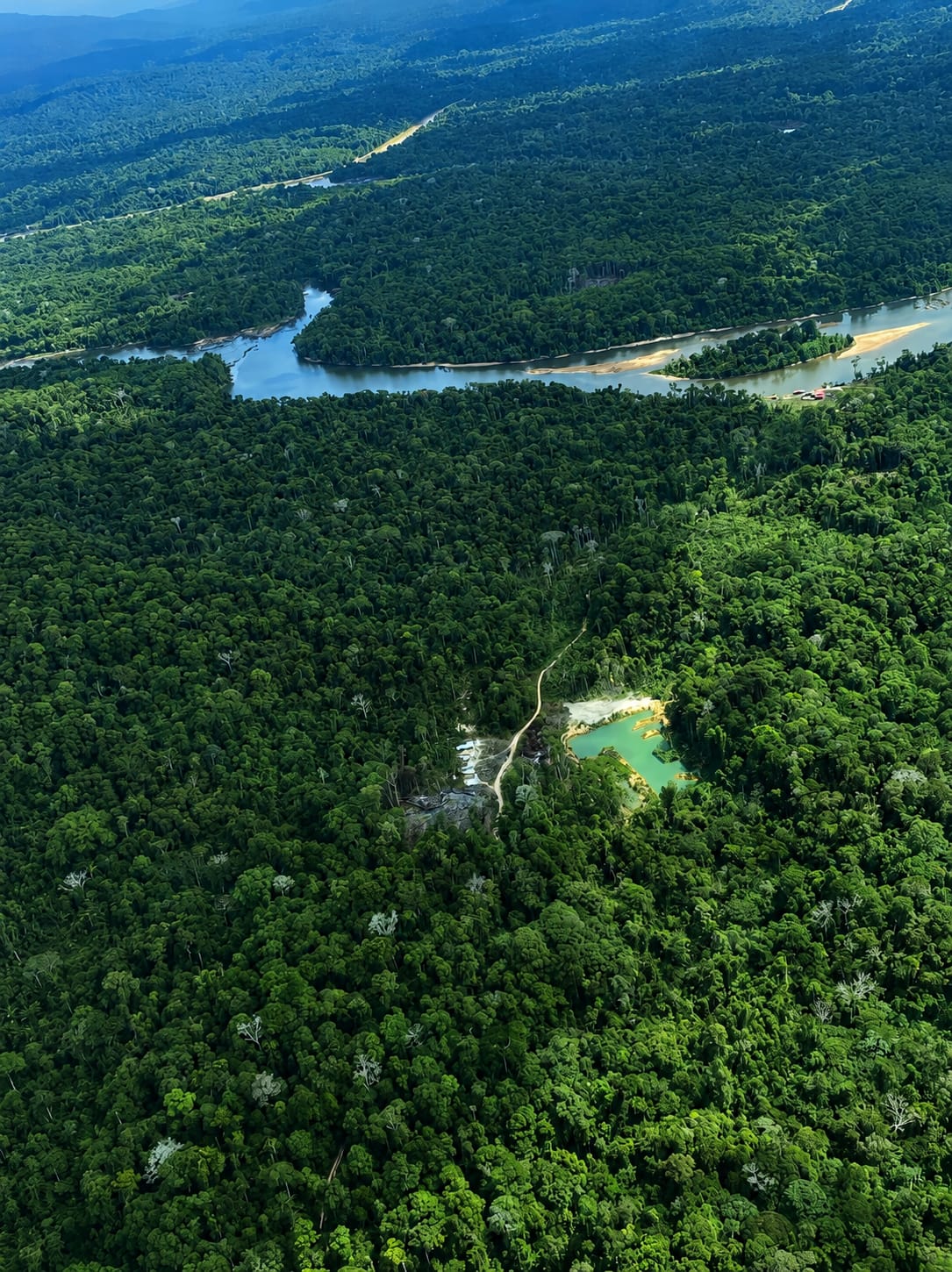
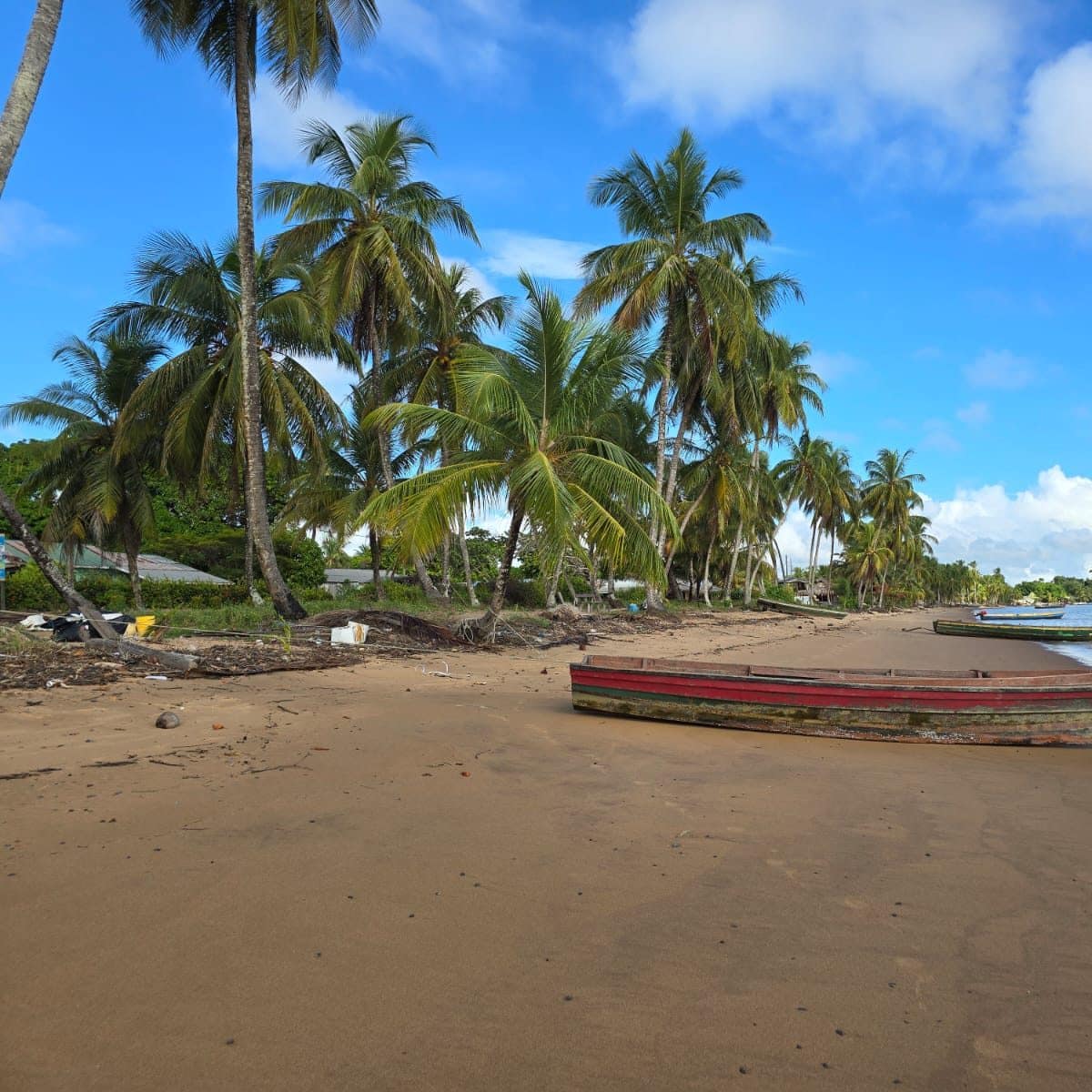
Suriname, a country largely covered by tropical rainforest, harbors an exceptionally rich biodiversity. Indigenous communities located within diverse ecosystems such as mangrove areas, savannahs, and rainforests are highly dependent on natural resources for their livelihoods. These communities possess deeply rooted ecological knowledge and traditional resource management practices.
Suriname’s ecosystems are increasingly under pressure due to expanding economic activities such as gold mining, logging, and commercial fishing, posing significant threats to both biodiversity and public health. In addition to the extractive practices of mining and logging, the overhunting of wildlife species contributes to ecological imbalance.
By integrating two interconnected PhD projects and one research project, this programme aims to advance sustainable wildlife management, improve community health and resilience and strengthen nature conservation governance.
The research is structured around three interrelated thematic focal points: wildlife management, One Health, and governance. The wildlife management focus zooms in on maintaining ecological balance in relation to hunting, biodiversity, and the conservation of keystone species and their ecosystem functions in a social-ecological system. The One Health focus examines the interconnections between ecosystem health, animal health, and human health, with particular attention to mercury contamination, food security, and zoonotic disease risks. The governance focus analyses the role of regulatory frameworks, local leadership, and community engagement in effectively managing natural resources.
This research project has been closely aligned with the interests of VIDS (Vereniging Inheemse Dorpshoofden in Suriname), Anton de Kom University, the LBB (Suriname Forest Service), and other Non-Governmental Organizations, such as the Primary Health Care Suriname.
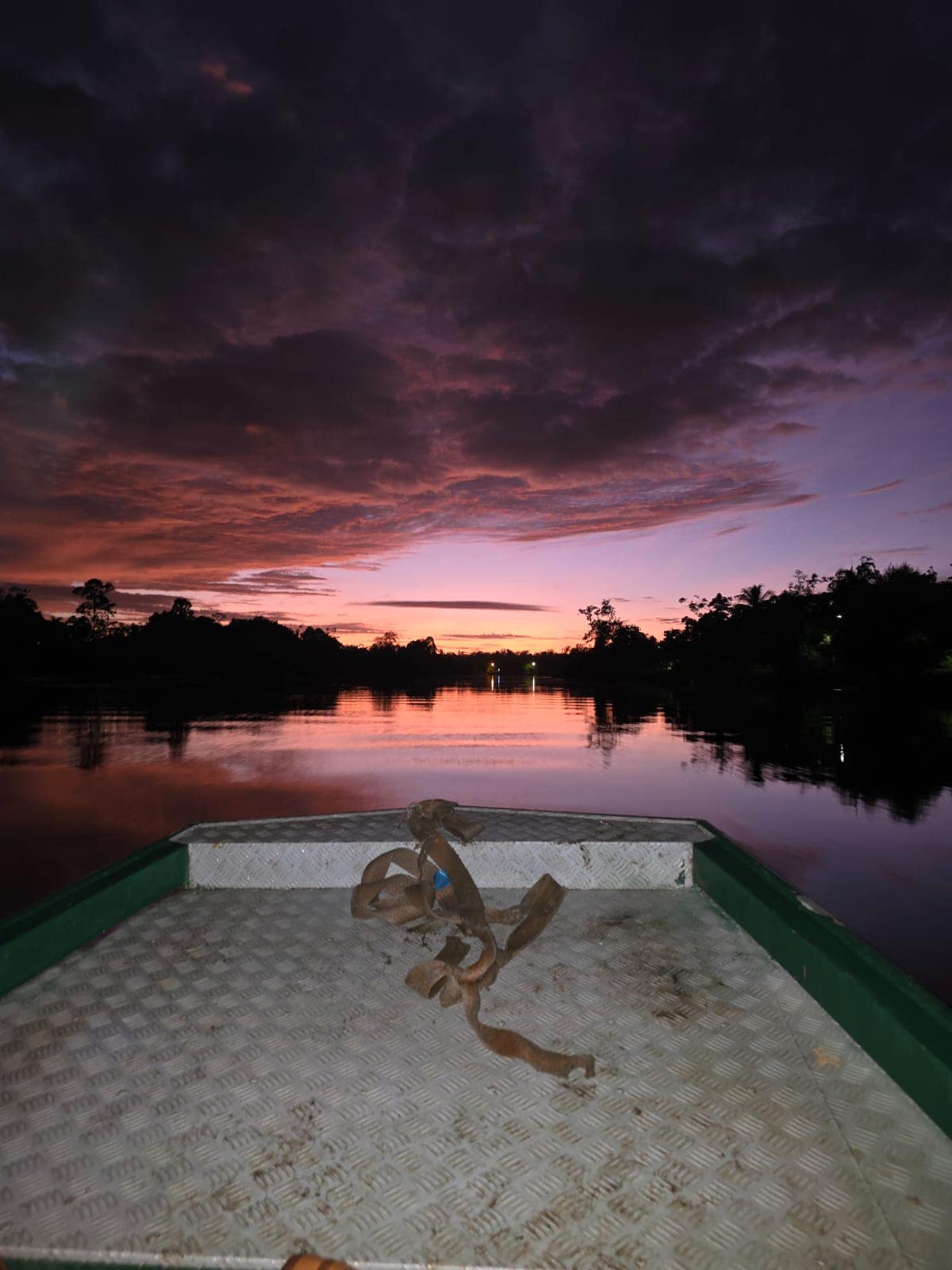
A better understanding of how governance, local practices, and the sustainable use of natural resources in Suriname’s Indigenous and Traditional Territories can support the conservation of healthy ecosystems.
Including:
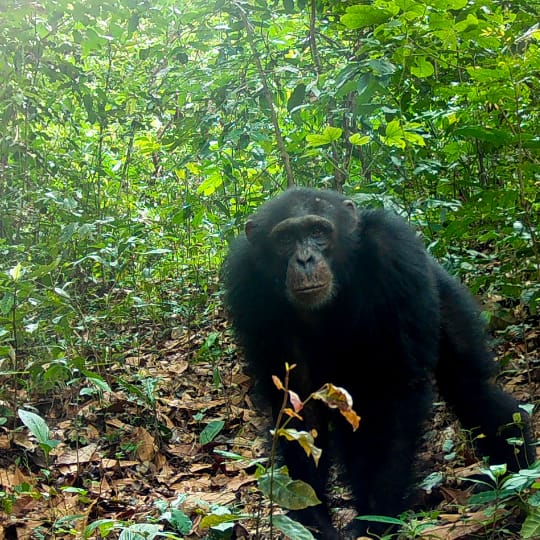
Conservation of the Gashaka Gumti National Park and its wider landscape

Landscape restoration of indigenous forest in Ghana
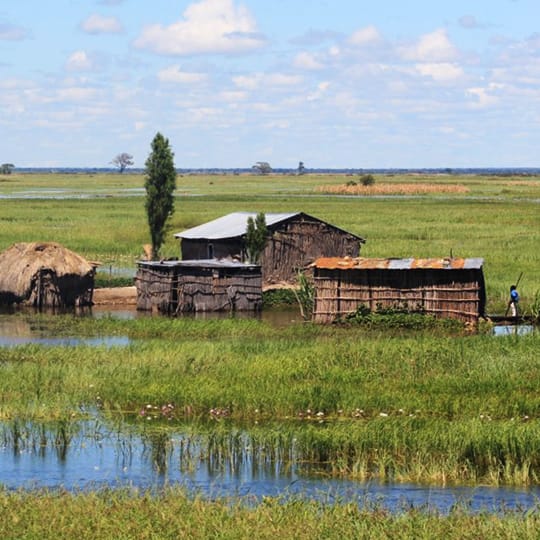
A resilient Zambezi river basin for people and nature
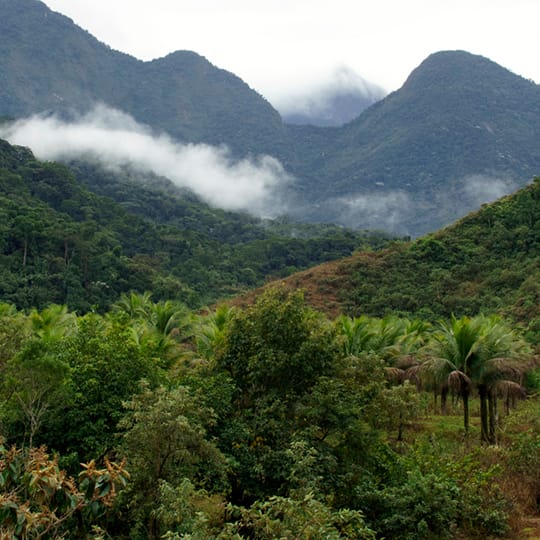
Restoration of the Guapiaçu watershed
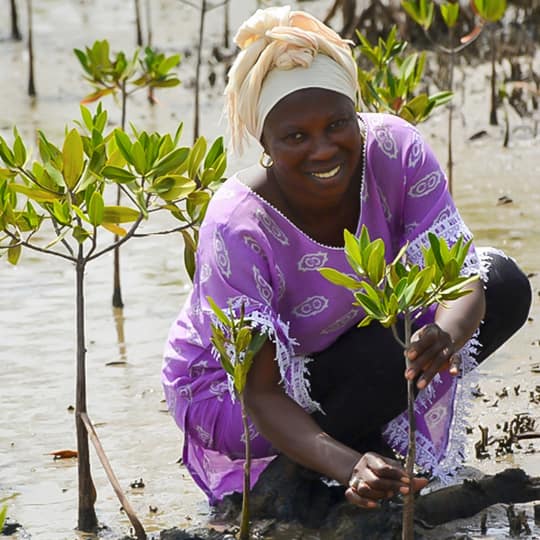
Safeguarding mangroves along the West and East African coasts
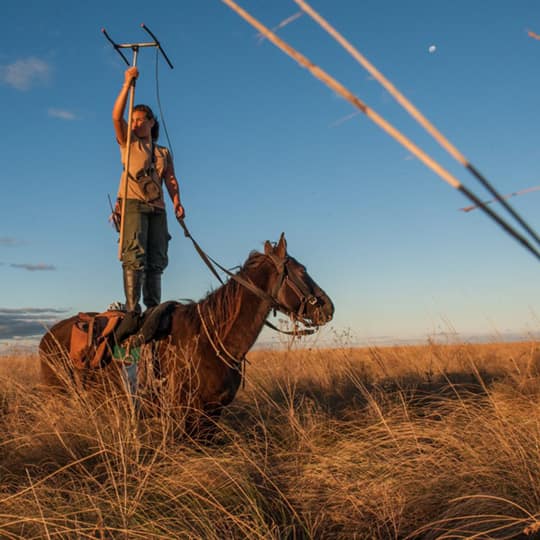
Rewilding the Gran Chaco
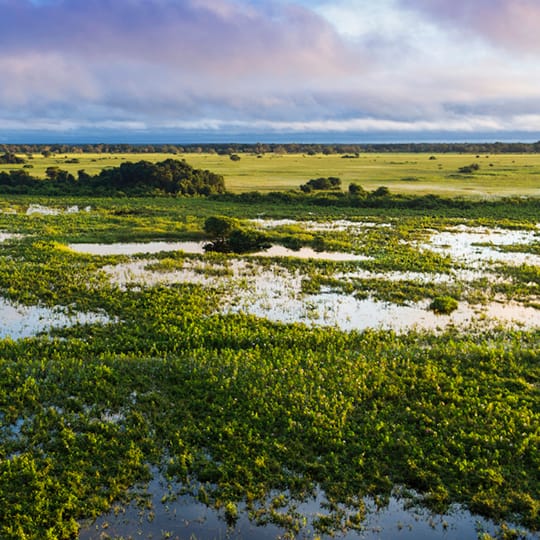
Saving the Corredor Azul

Empowering Indigenous Governance in Nembi Guasu
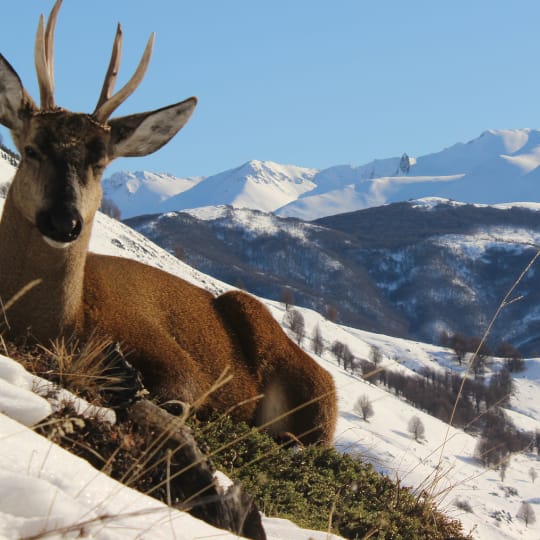
Protecting forests in Cerro Castillo National Park

Resource Watch
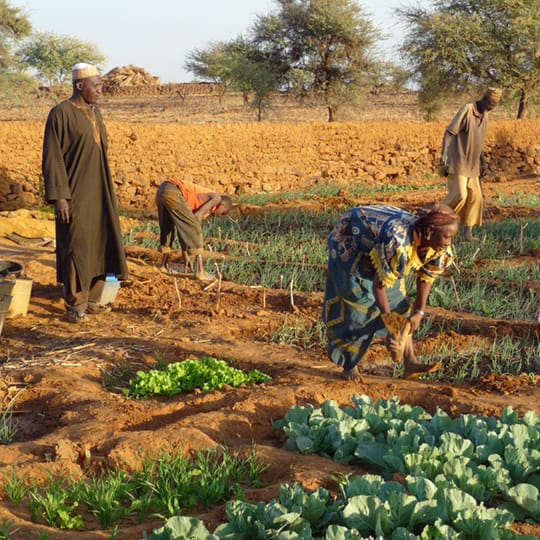
Communities regreen
the Sahel
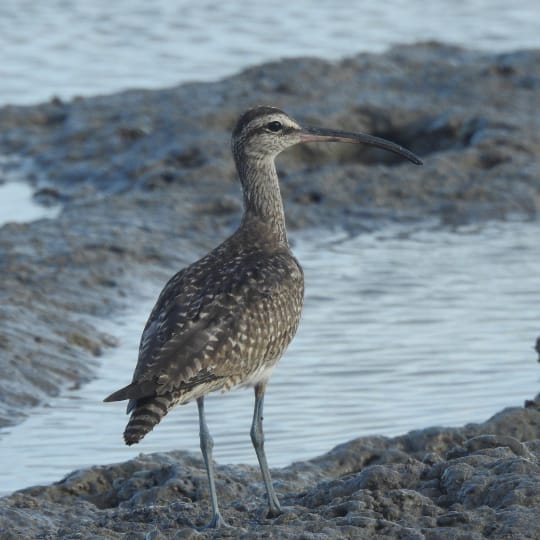
A regional conservation plan for the Guianas Green Coast
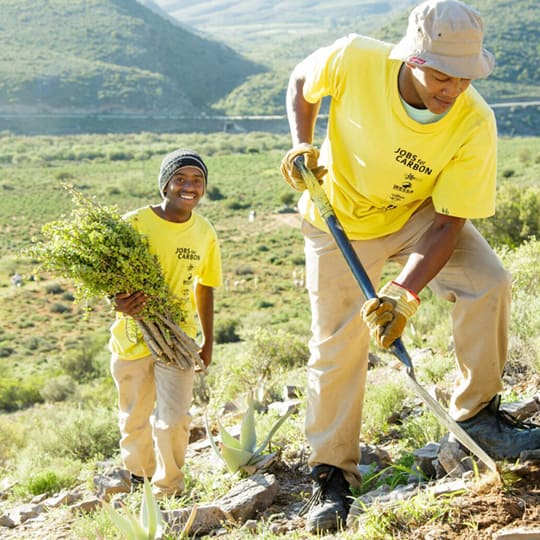
Restoring the Gouritz Cluster Biosphere Reserve

Saving High Andean Wetlands for People and Nature
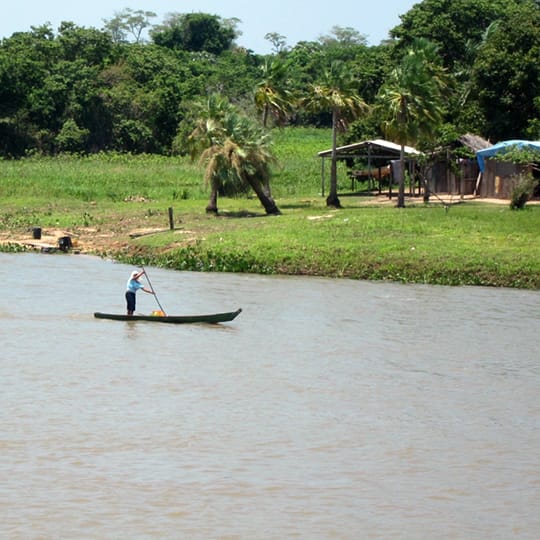
Wetlands without Borders
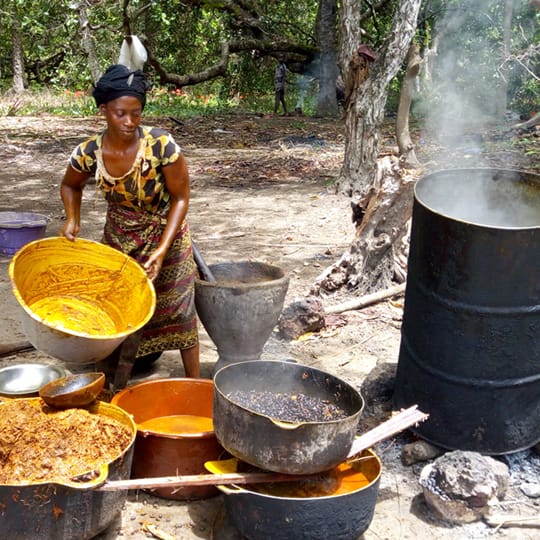
Saving the mangroves in Tristao and Kapatchez
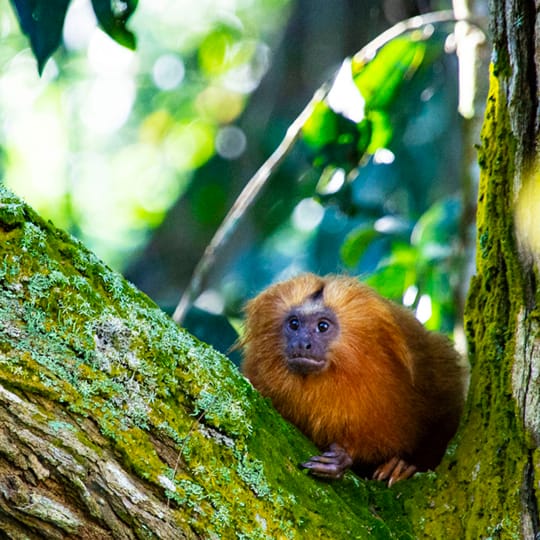
Ecological restoration of the Atlantic Forest in Brazil
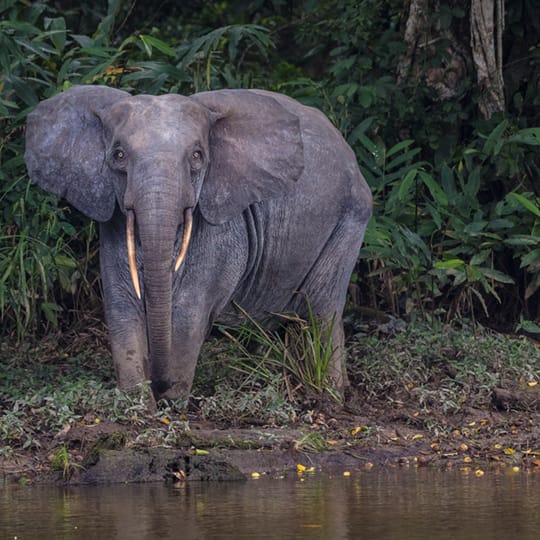
Embedding intelligence-based conservation in Odzala-Kokoua National Park
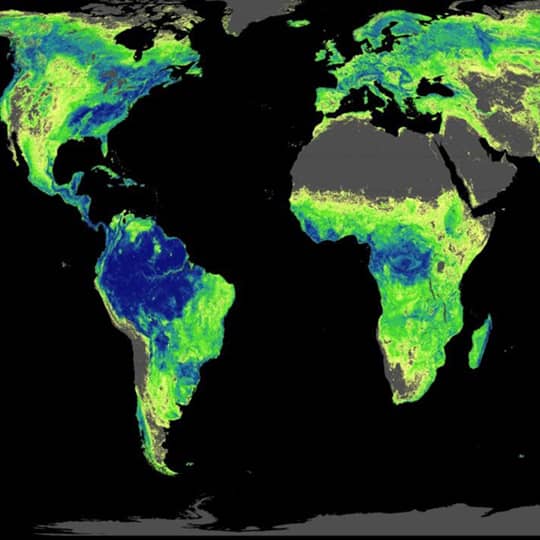
Scientific research for better restoration
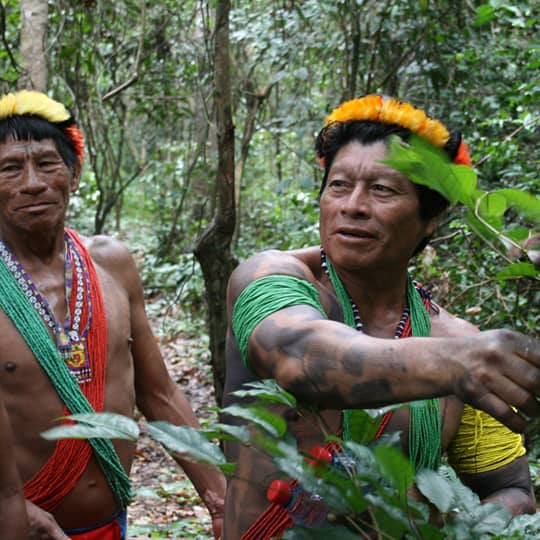
Guardians of the Amazon forest
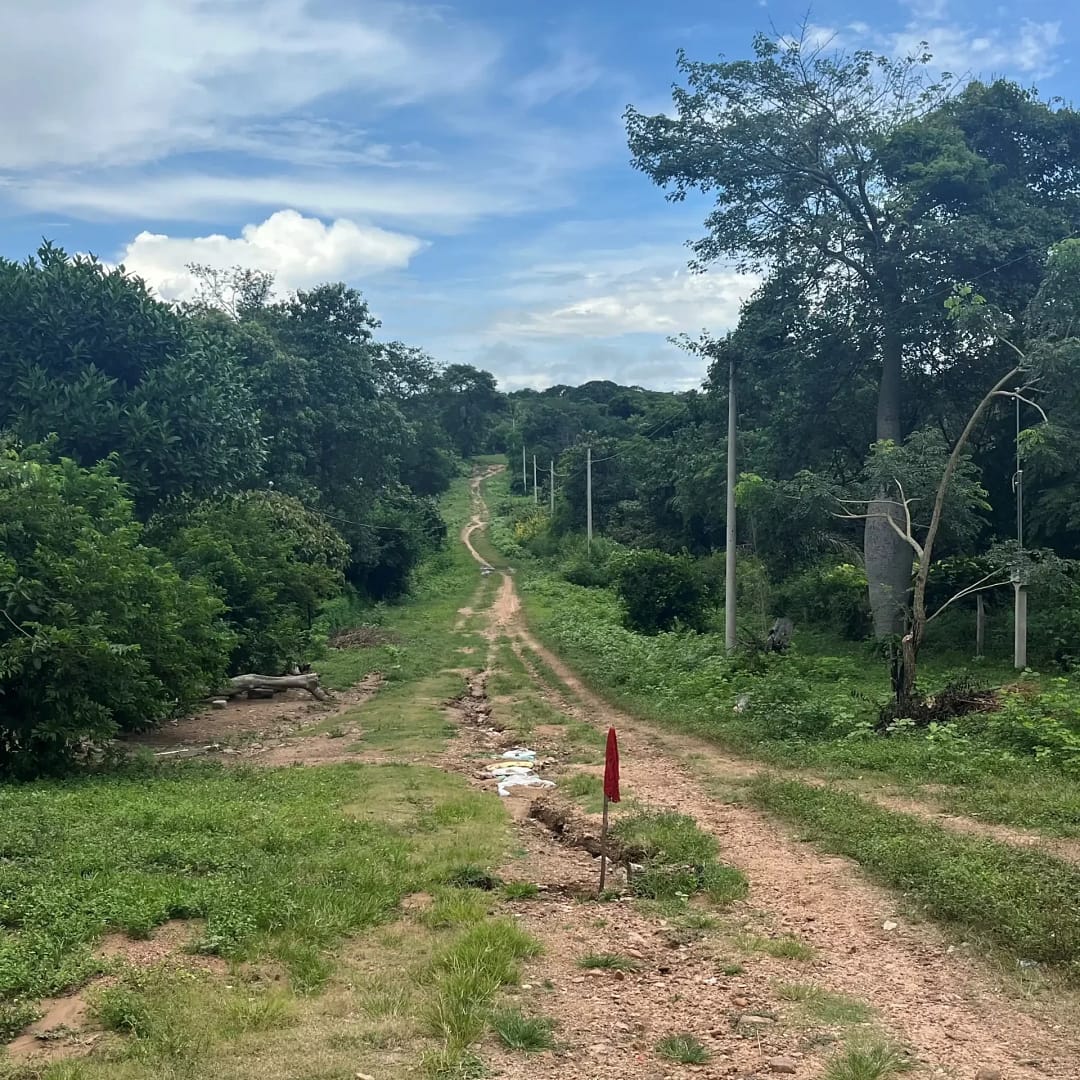
Biodiversity Bridges
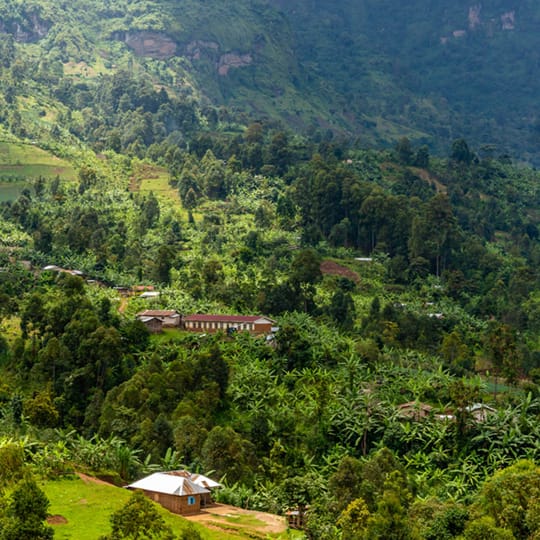
Restoring the Manafwa watershed
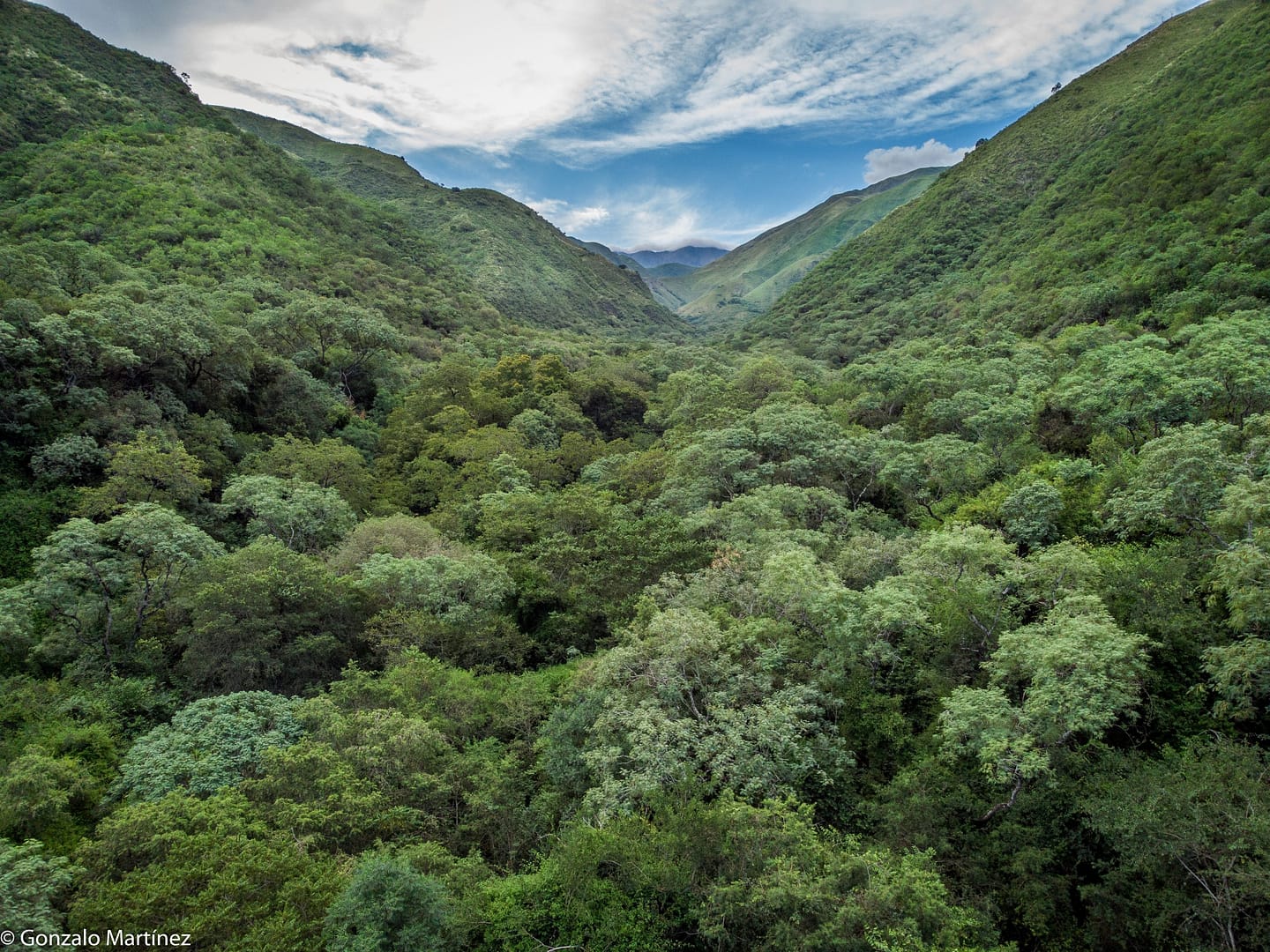
The Ambato effect
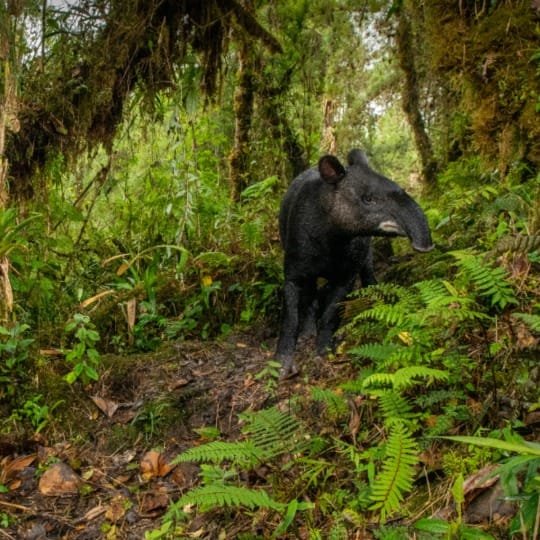
Improving conservation measures
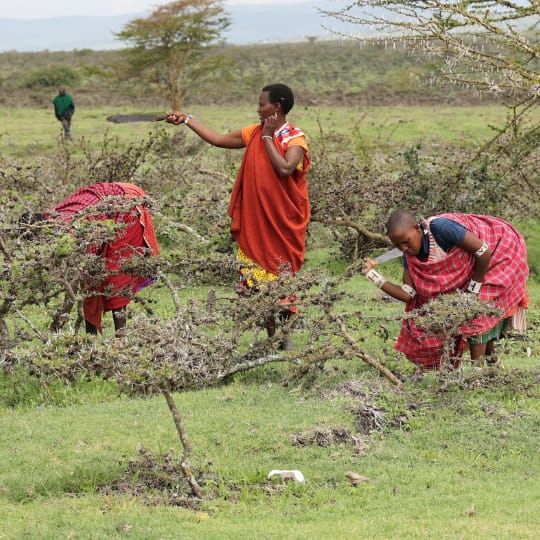
Supporting landscape-wide restoration of healthy grazing lands
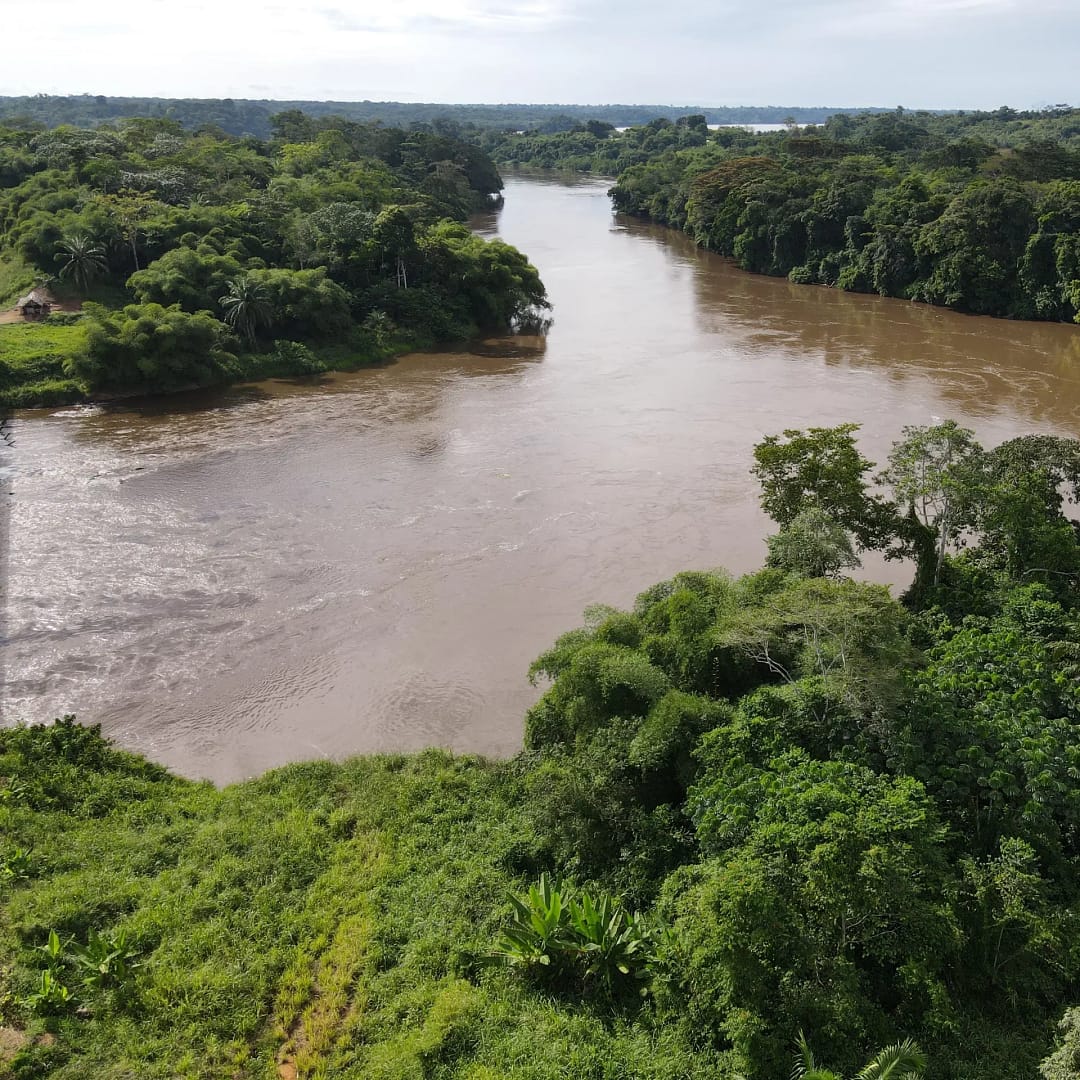
Biodiversity Bridges
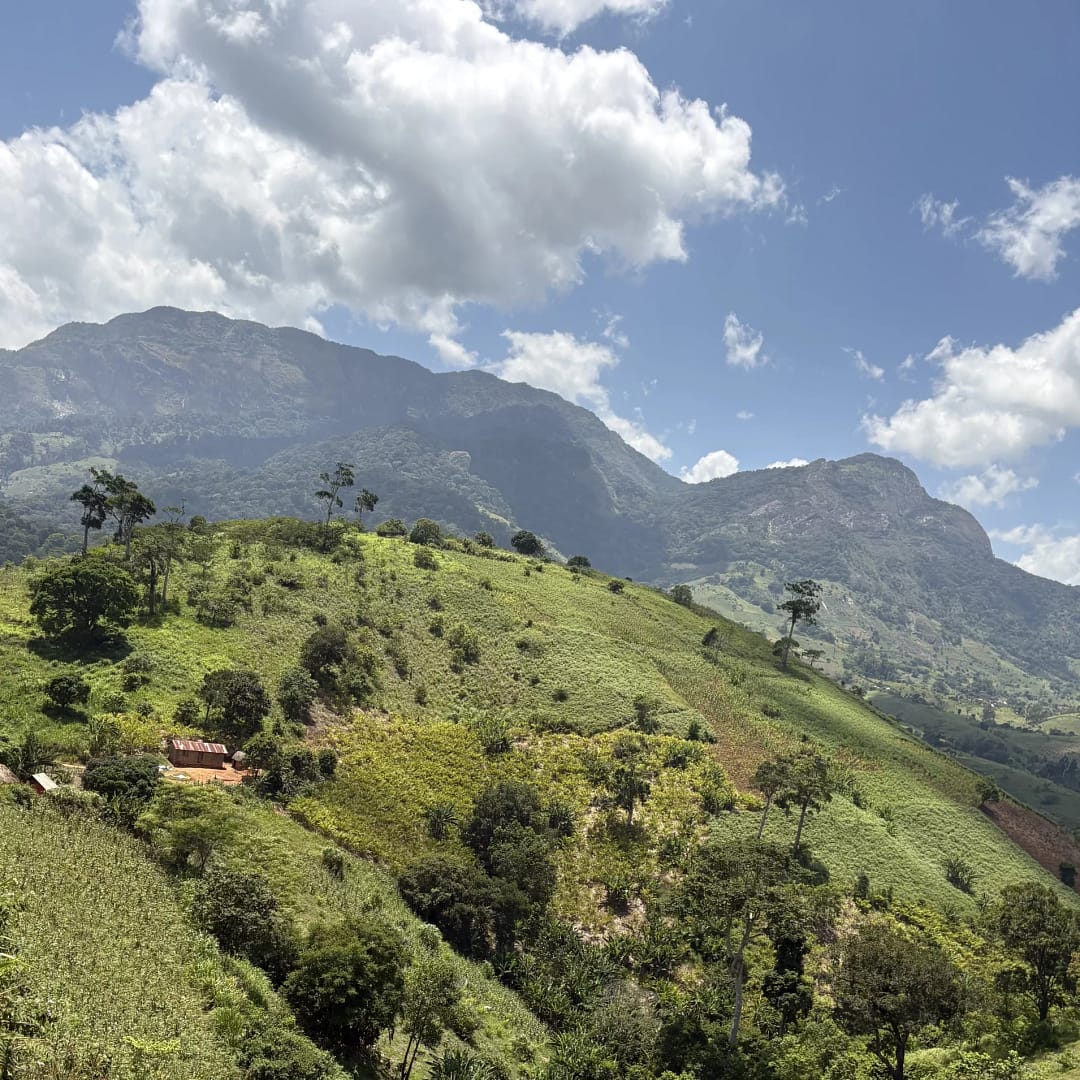
Nguru Landscape Forest Program
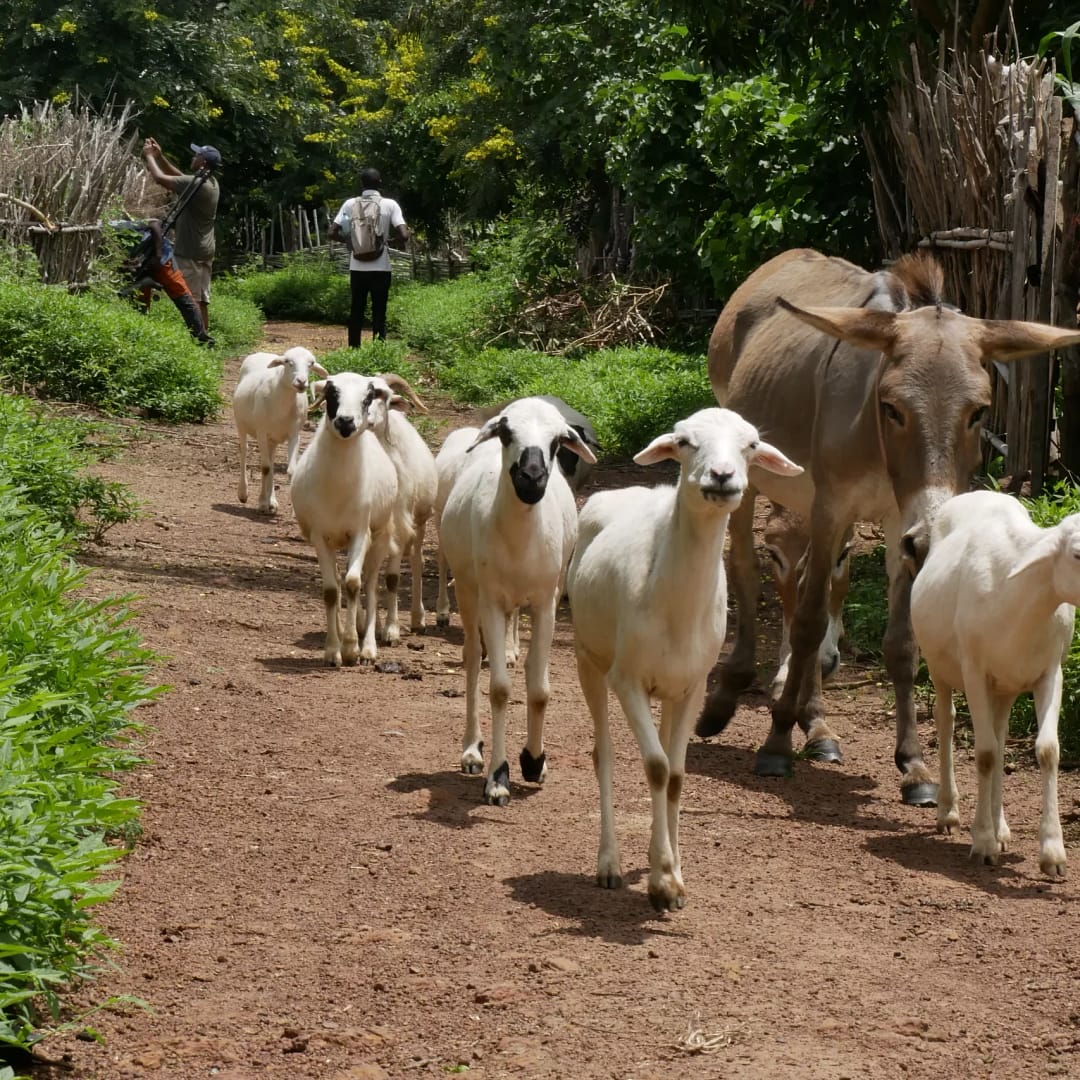
Conservation in the Niokolo-Badiar-Koulountou transboundary landscape in West Africa
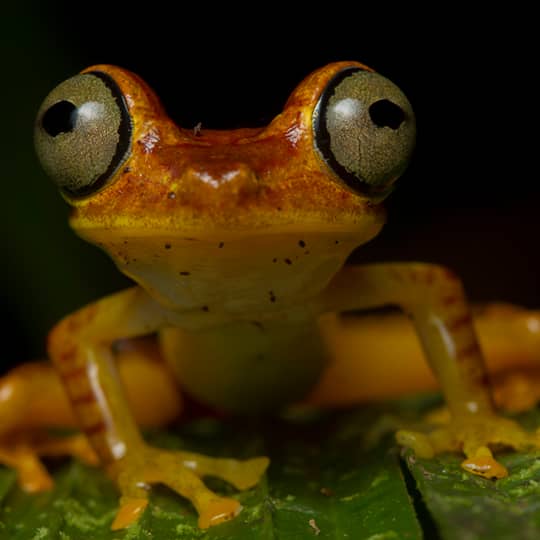
Saving the Chocó rainforest in Ecuador
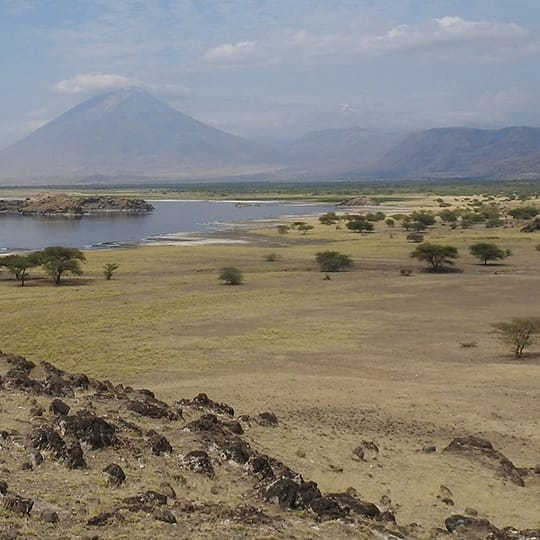
A sustainable future for the Greater Serengeti-Mara Ecosystem
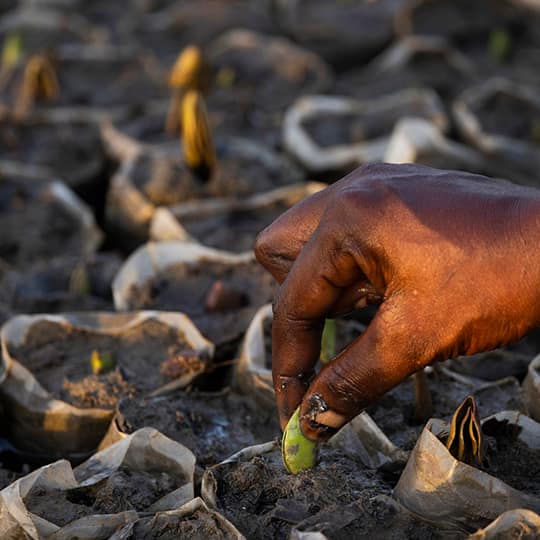
Seed-funding for Impact: Catalyzing private investments in ecological restoration