



The Ambato effect
Since 2026
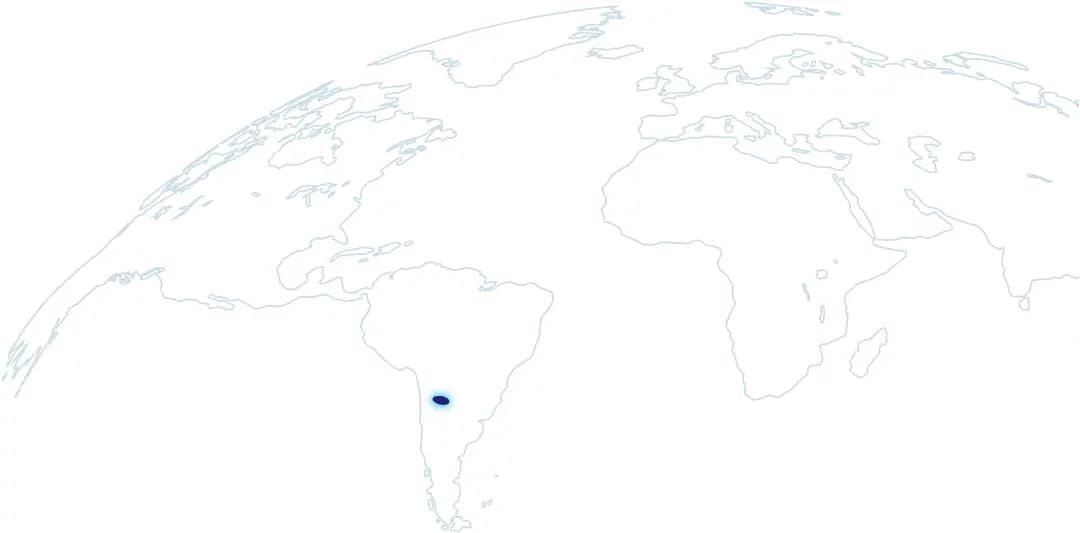
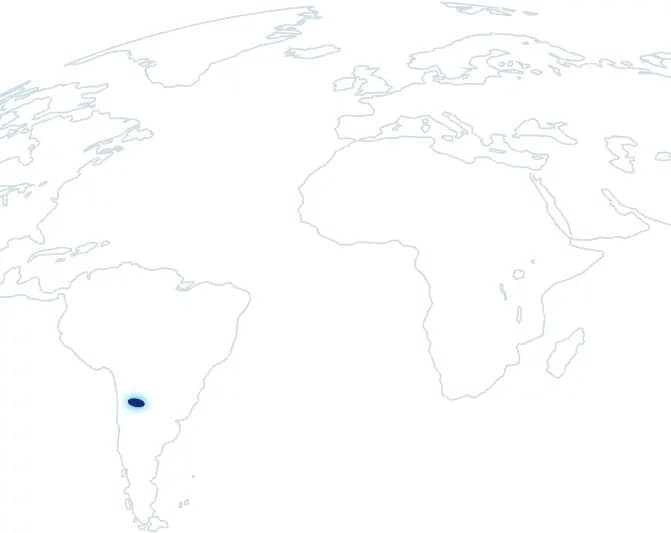
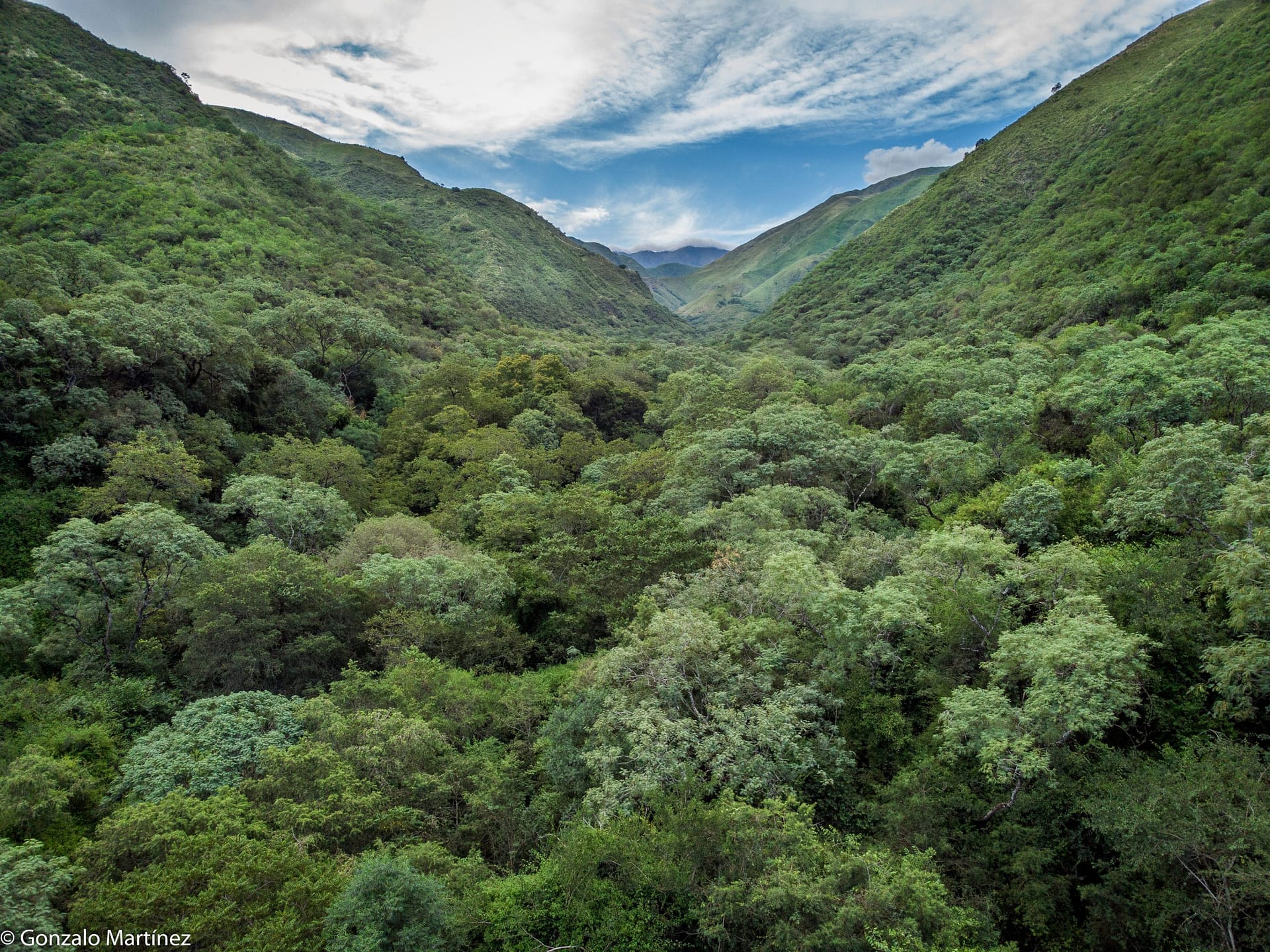
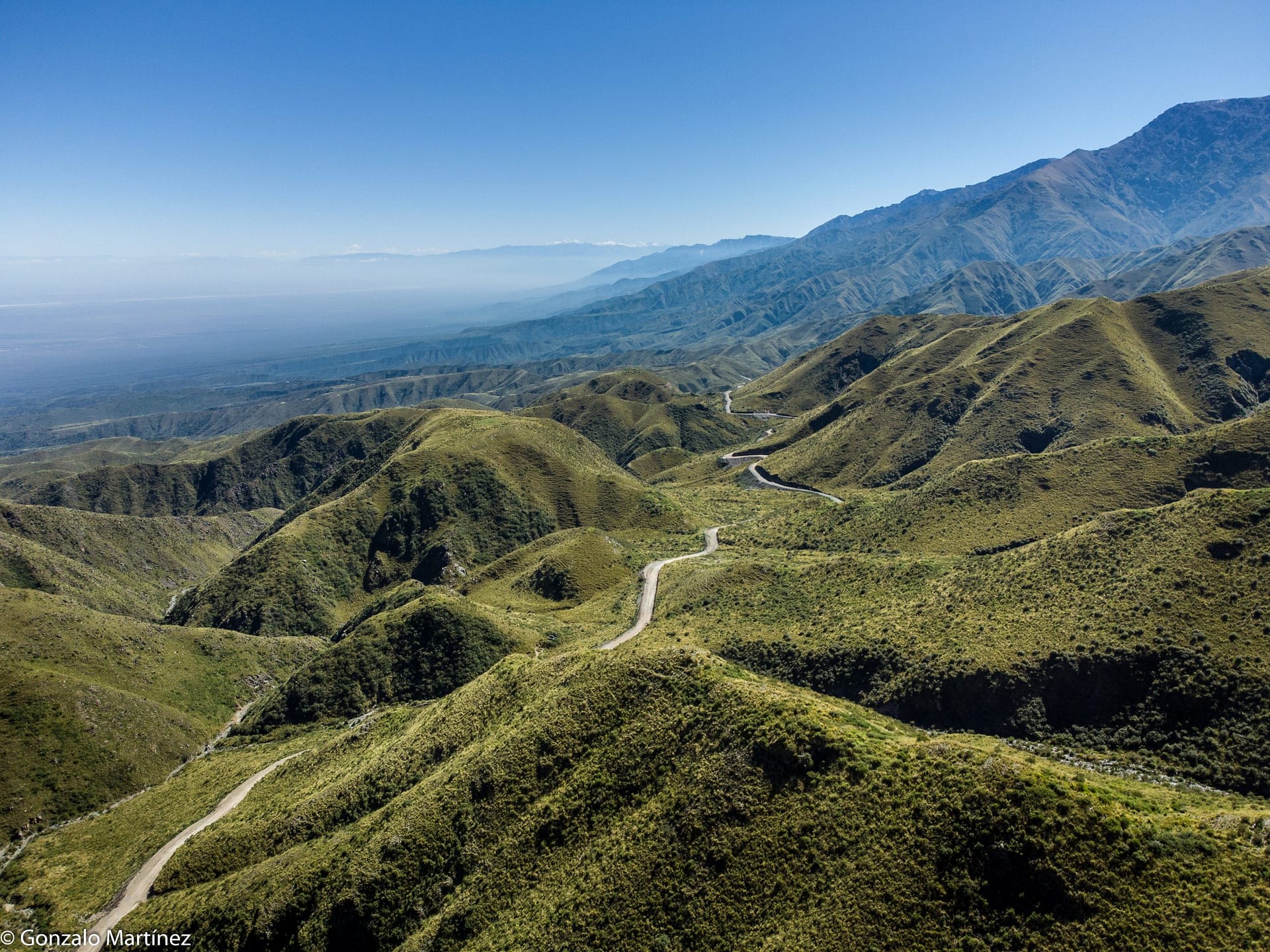
The Sierras de Ambato, in the province of Catamarca, constitute one of the most significant ecological systems in north-western Argentina. This territory contains a unique gradient of ecosystems from montane and Chaco woodlands to high-altitude grass- and wetlands and high Andean environments that support high biological diversity and play a key role in the provision of ecosystem services, especially in water regulation for local communities. There are two emblematic species: the taruca (Hippocamelus antisensis) and the guanaco (Lama guanicoe). Both have reduced, fragmented and under-pressure populations, and perform fundamental ecological functions contributing to vegetation regeneration, the nutrient cycle, and the balance of trophic chains. The Pipanaco Salt Flat, an arid wetland system is recognised as a KBA and AZE site.
In recent years, the territory has faced increasing pressures: more frequent and intense wildfires, inadequate productive practices, poaching, selective logging, infrastructure expansion, and unregulated activities, along with the potential advance of mining in sensitive areas. These threats are compounded by limited management capacity, insufficient information, and fragmented territorial governance.
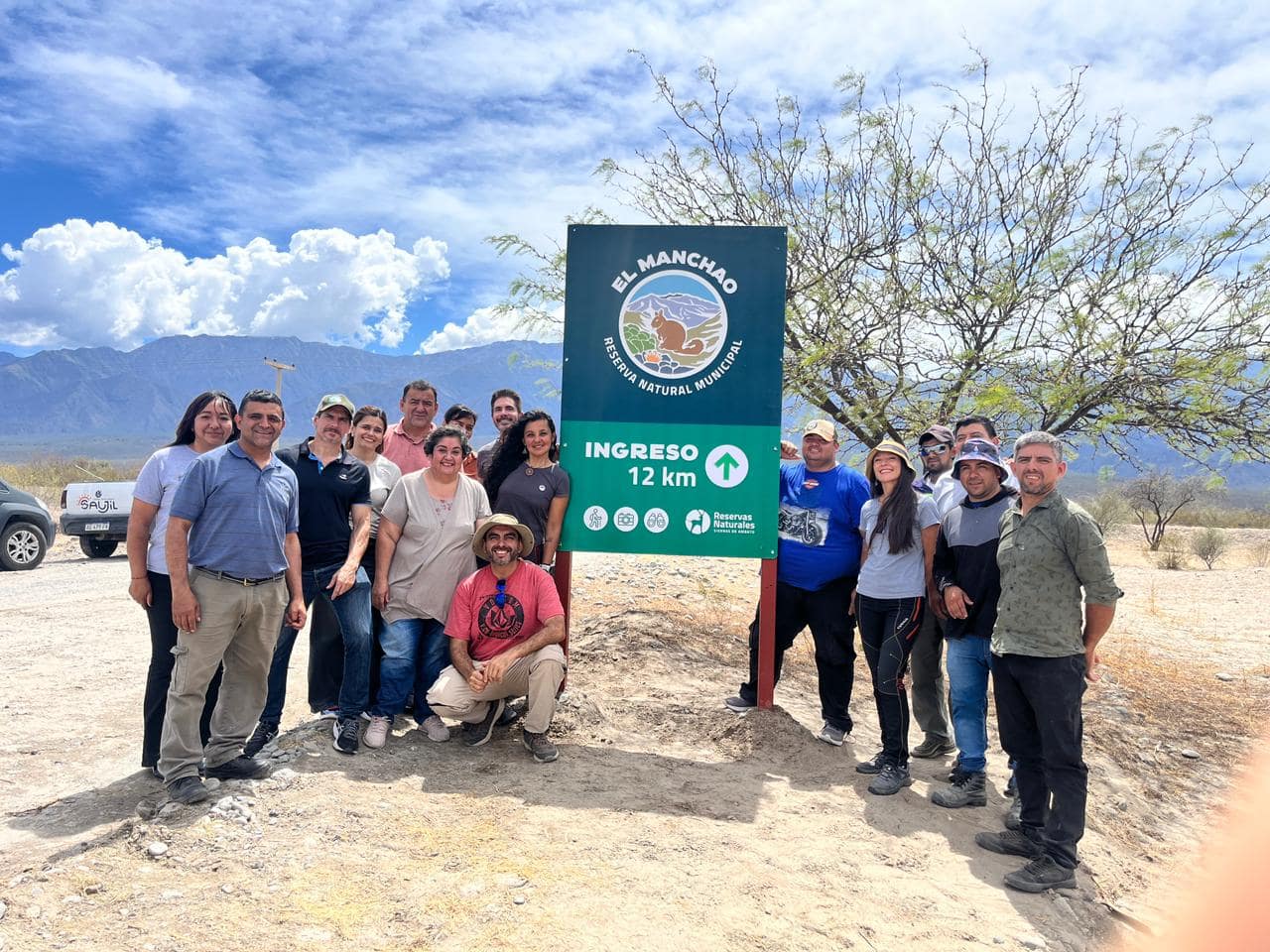
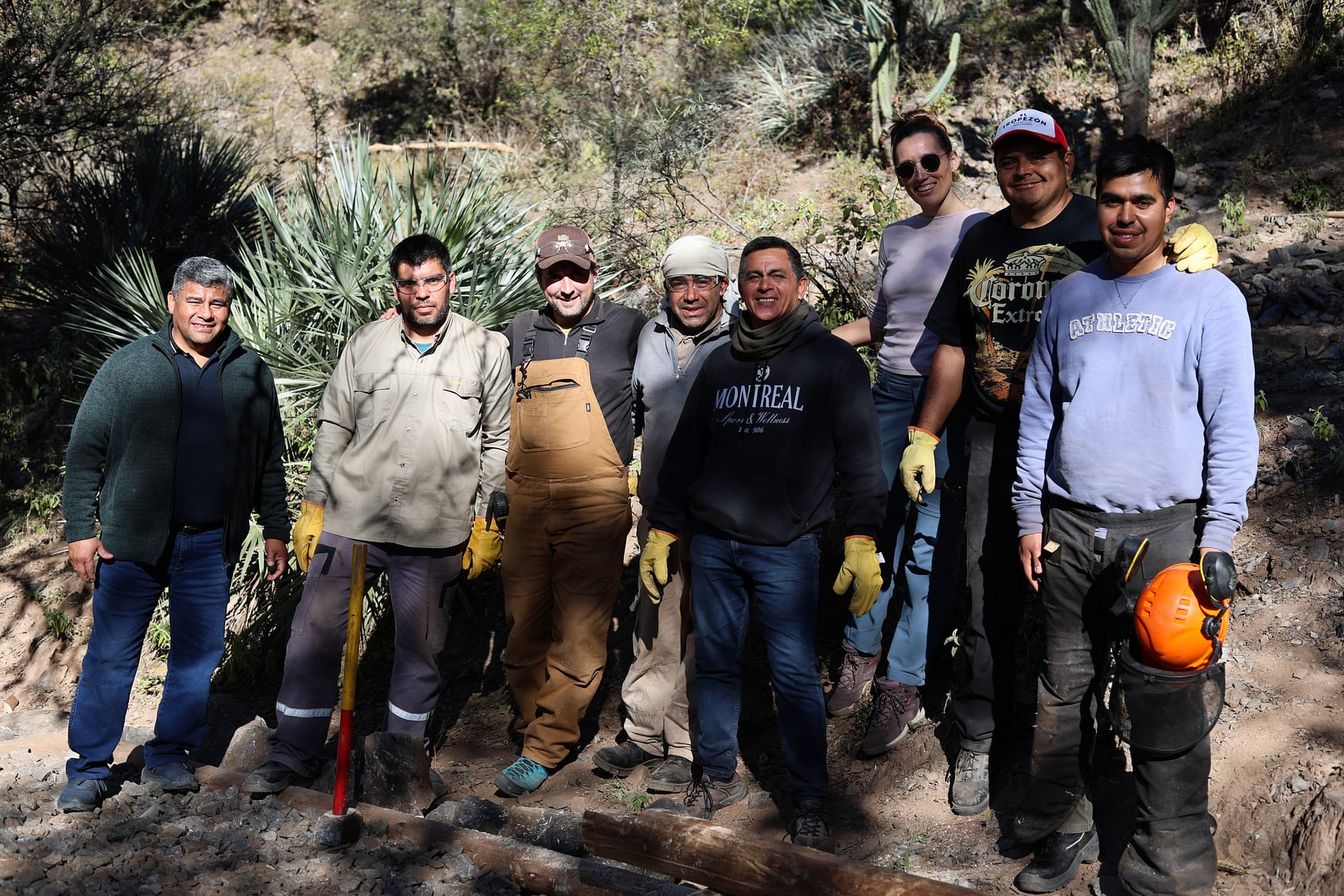
The Ambato Effect programme proposes consolidating a landscape-scale conservation model based on a mosaic of protected areas articulated with communities, local governments, and organizations. The process builds on three municipal protected areas already established (covering more than 134,000 hectares) and promotes the incorporation of over 60,000 additional hectares in priority zones, with the aim of expanding a connected and functional conservation mosaic.
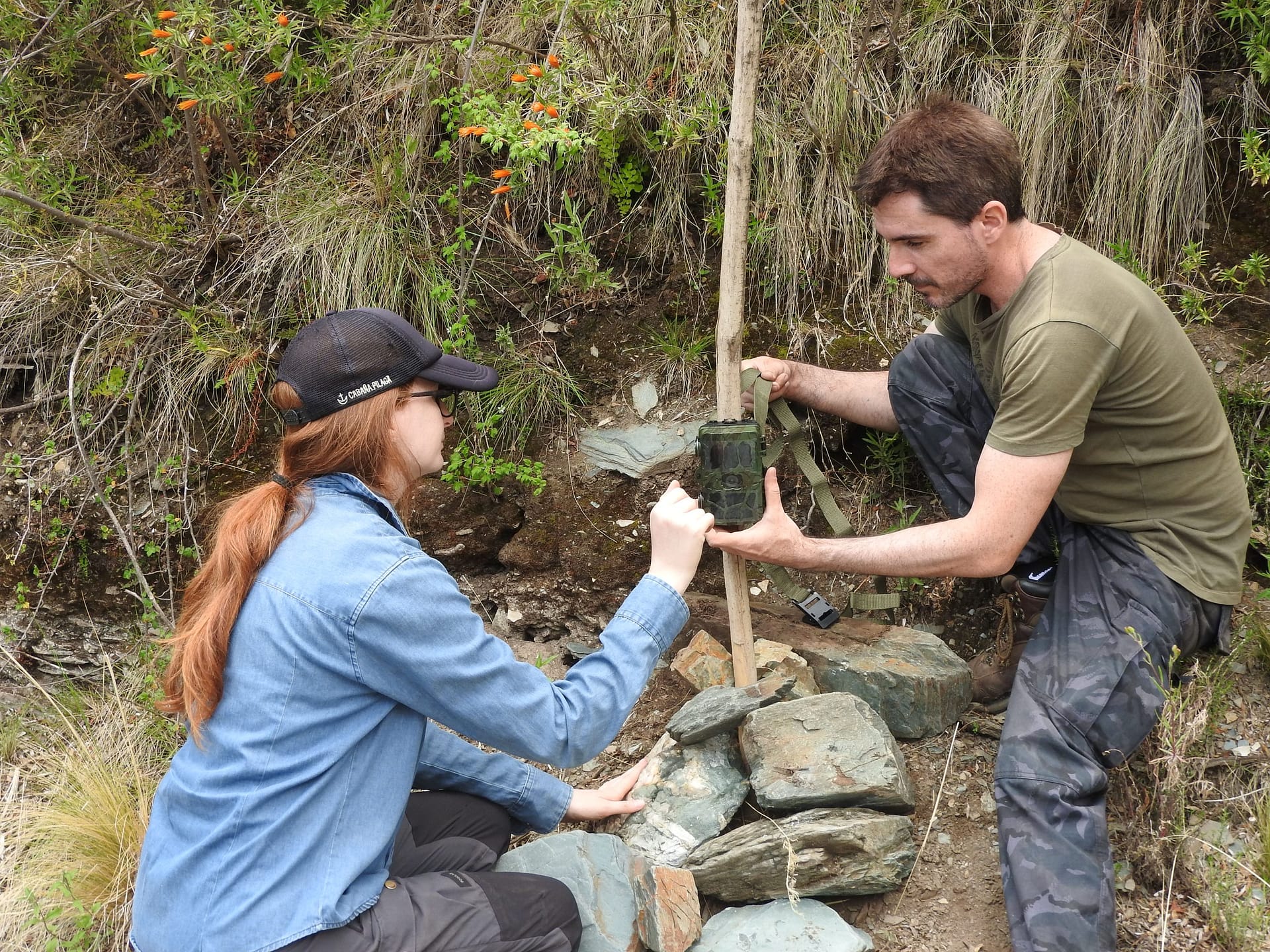
This programme, led by Fundación Naturaleza Argentina, supports:
The programme has three main objectives:

Saving the Chocó rainforest in Ecuador
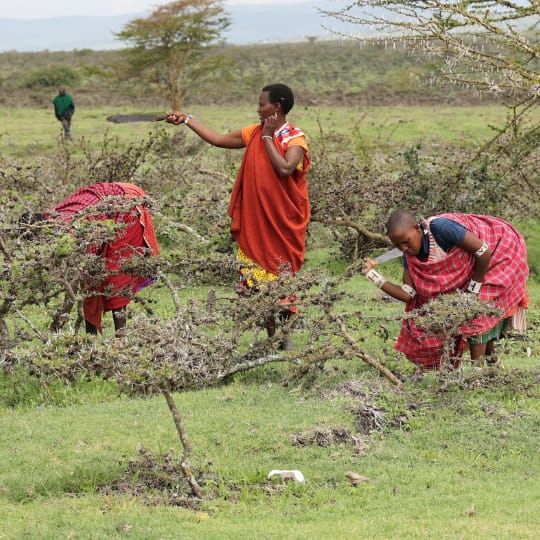
Supporting landscape-wide restoration of healthy grazing lands

Empowering Indigenous Governance in Nembi Guasu
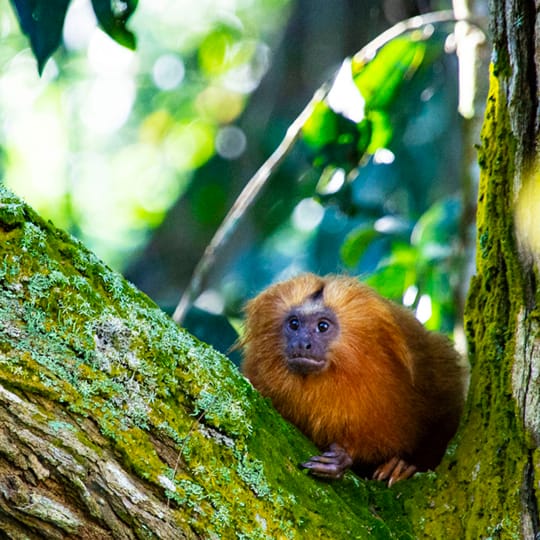
Ecological restoration of the Atlantic Forest in Brazil
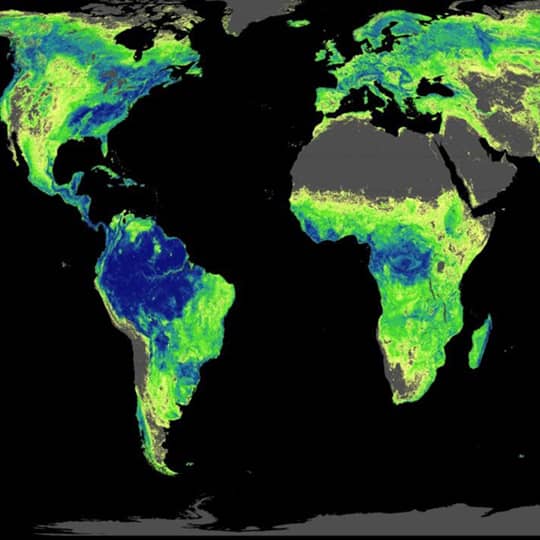
Scientific research for better restoration
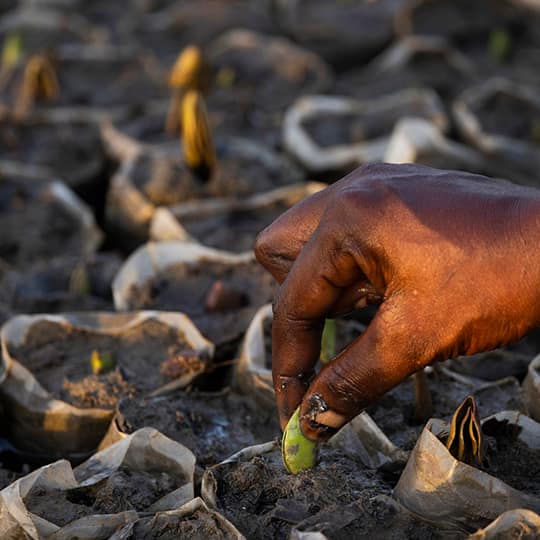
Seed-funding for Impact: Catalyzing private investments in ecological restoration
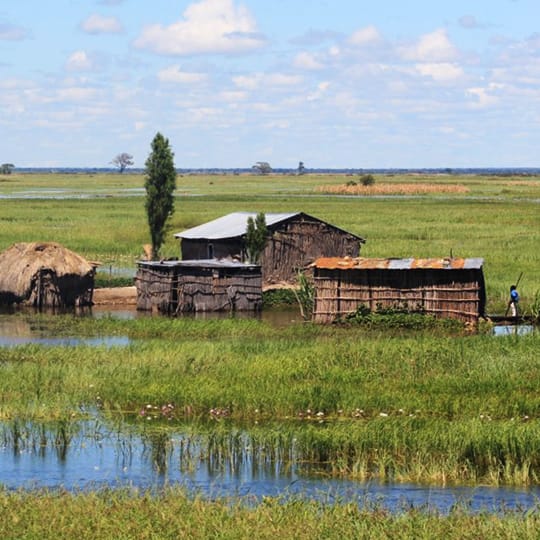
A resilient Zambezi river basin for people and nature
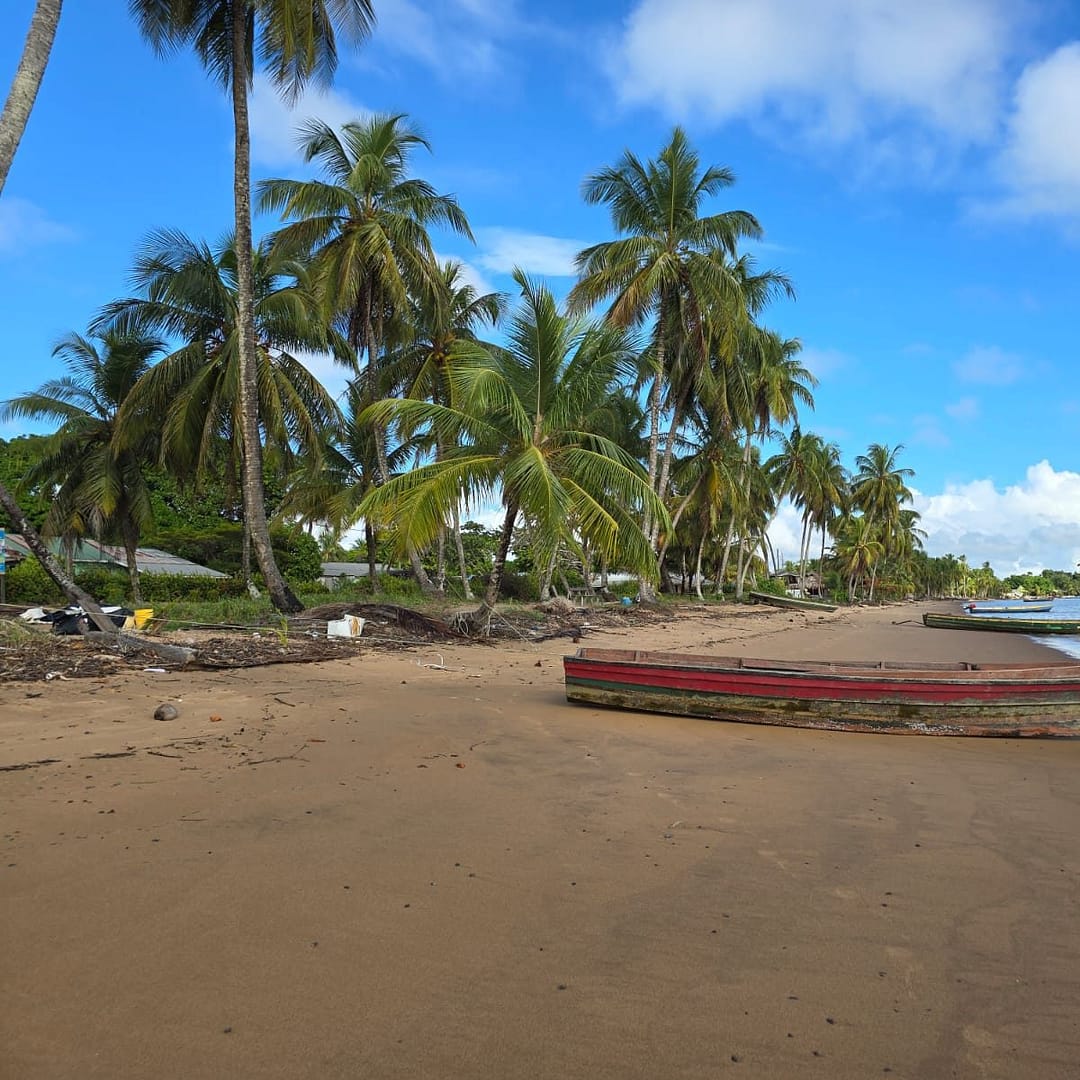
Wildlife, health, and governance in Indigenous and Traditional Territories in Suriname
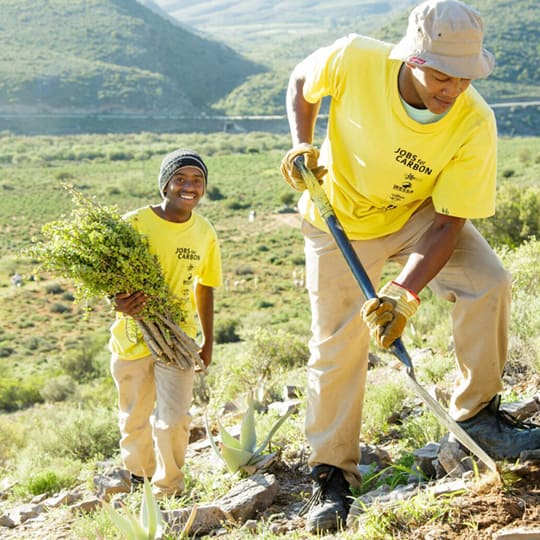
Restoring the Gouritz Cluster Biosphere Reserve
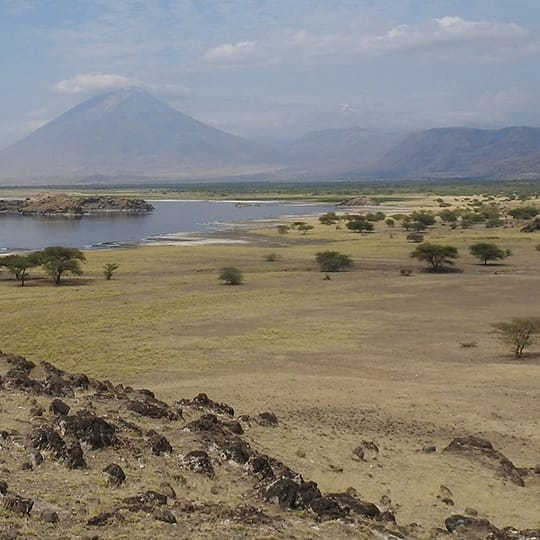
A sustainable future for the Greater Serengeti-Mara Ecosystem
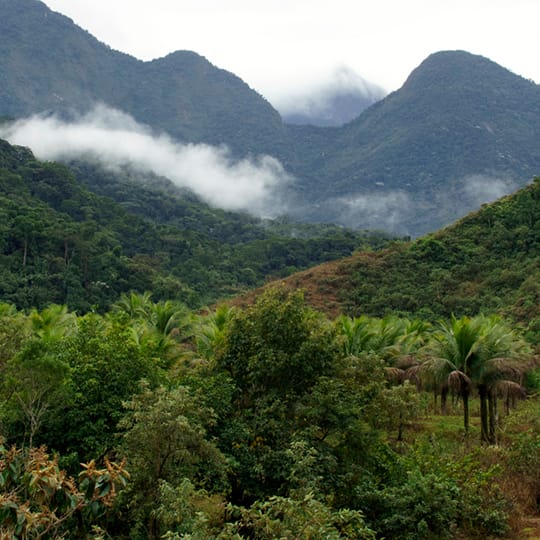
Restoration of the Guapiaçu watershed
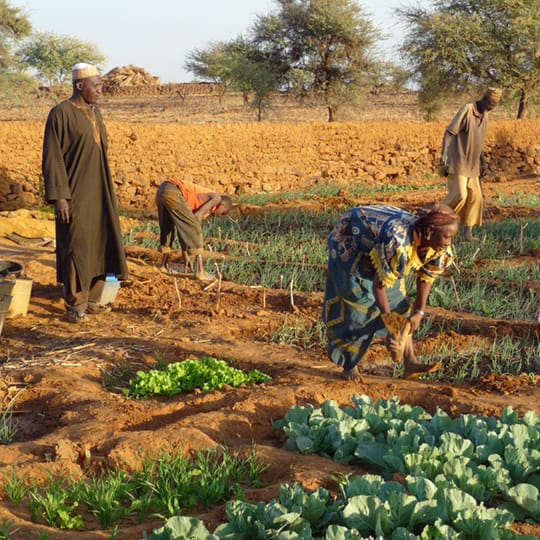
Communities regreen
the Sahel

Protecting forests in Cerro Castillo National Park
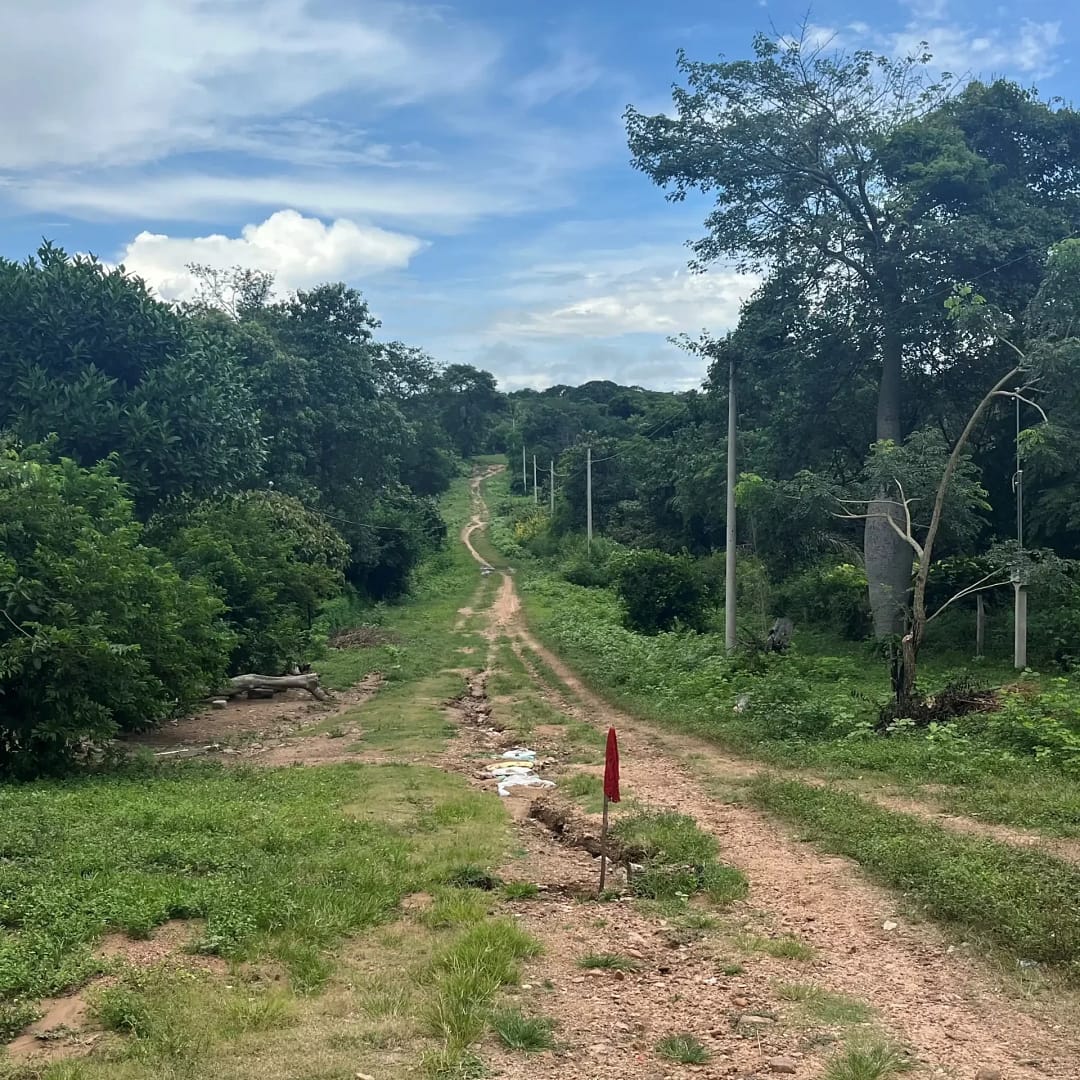
Biodiversity Bridges
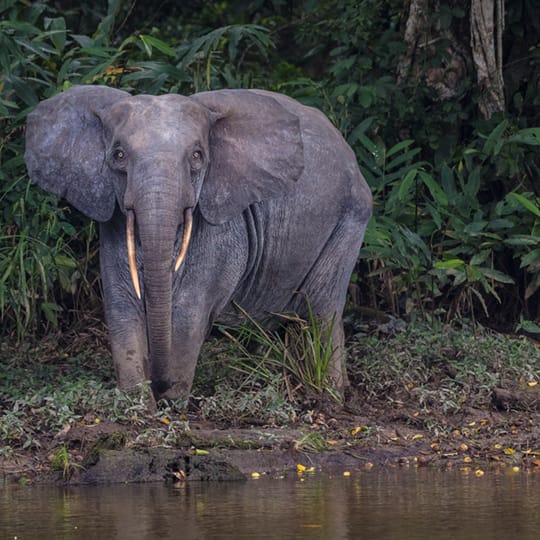
Embedding intelligence-based conservation in Odzala-Kokoua National Park
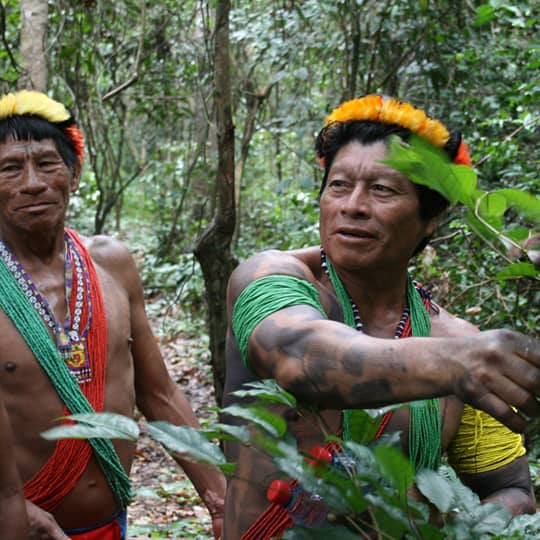
Guardians of the Amazon forest
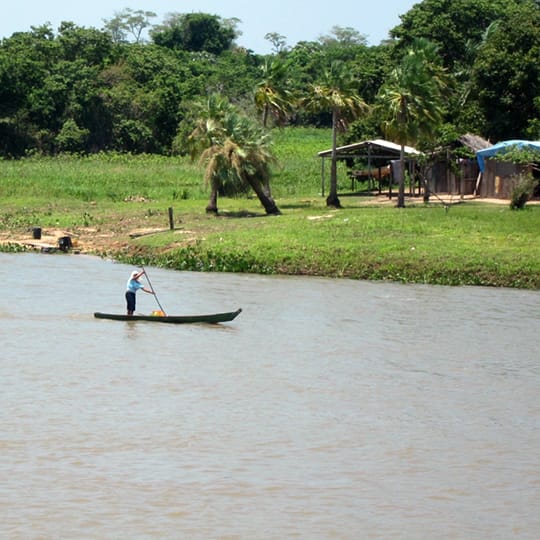
Wetlands without Borders

Landscape restoration of indigenous forest in Ghana
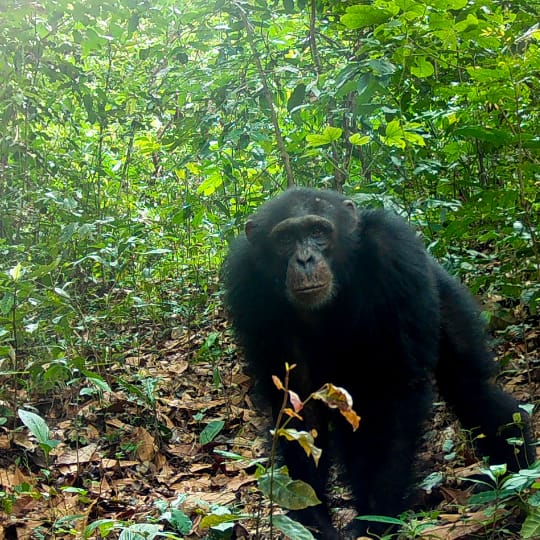
Conservation of the Gashaka Gumti National Park and its wider landscape

Resource Watch
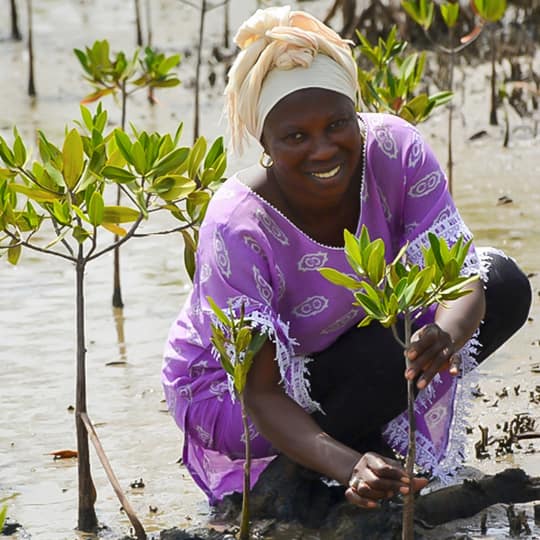
Safeguarding mangroves along the West and East African coasts
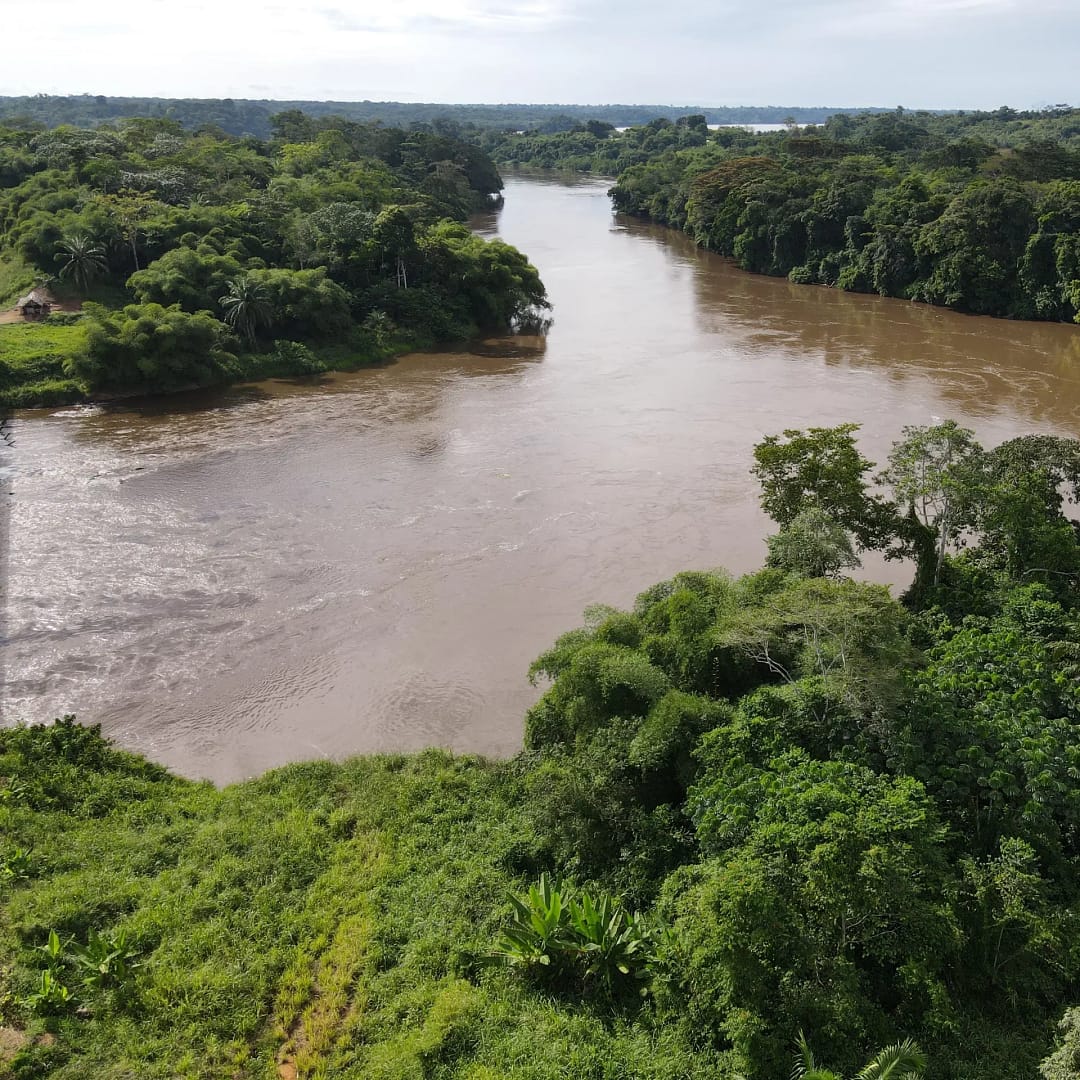
Biodiversity Bridges
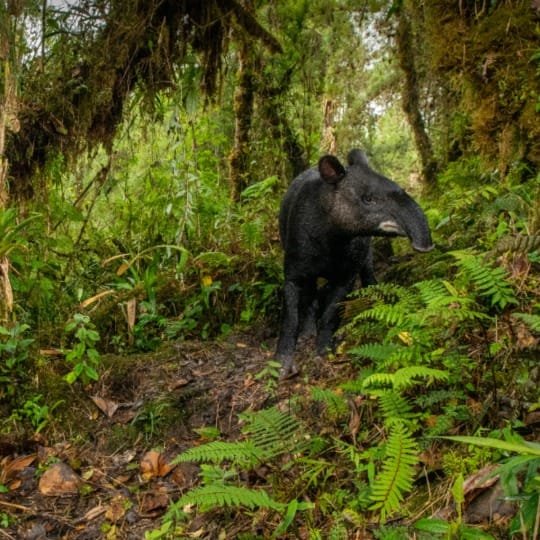
Improving conservation measures

Saving High Andean Wetlands for People and Nature
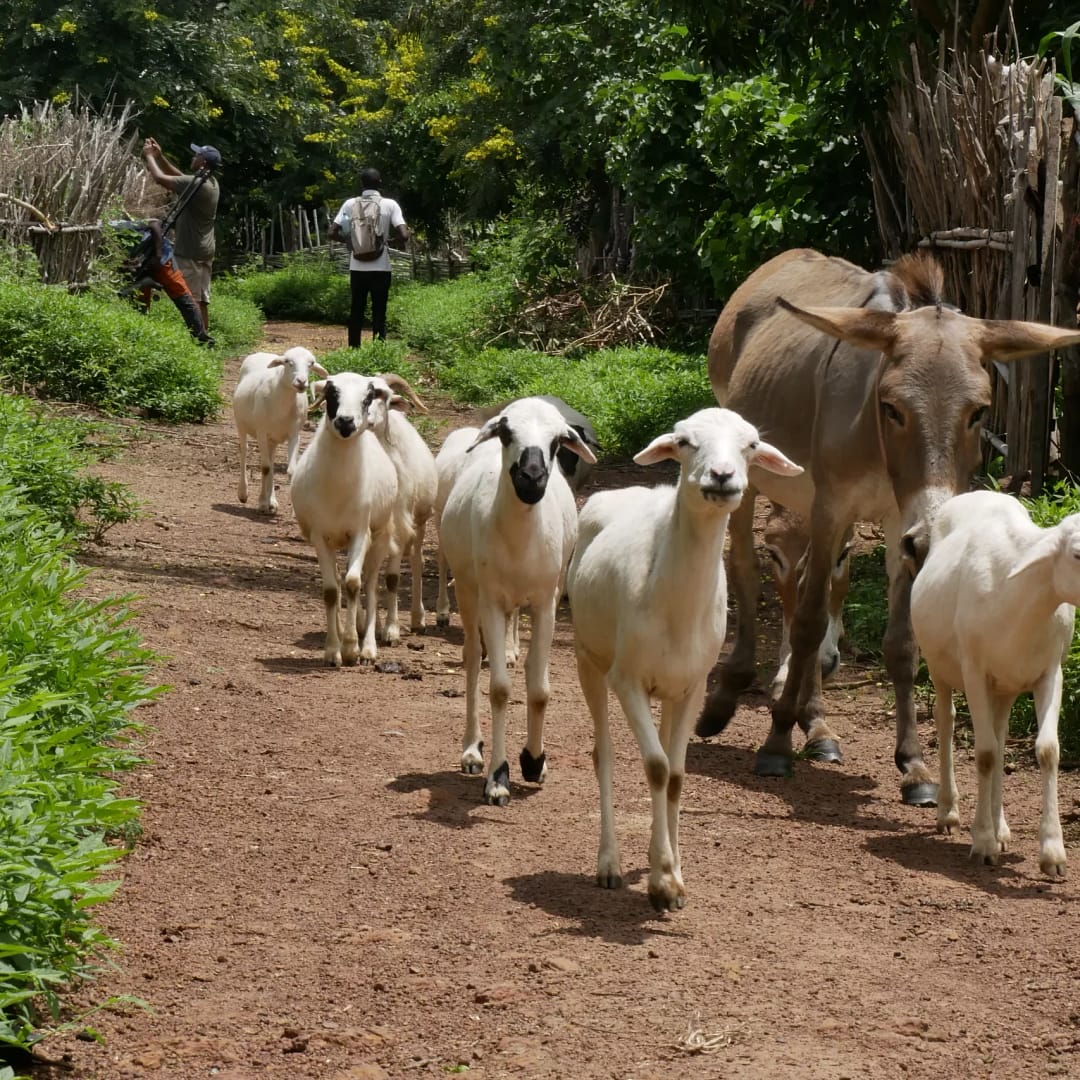
Conservation in the Niokolo-Badiar-Koulountou transboundary landscape in West Africa
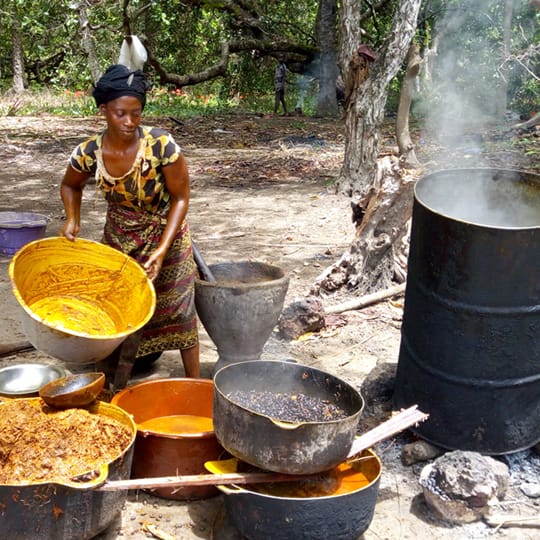
Saving the mangroves in Tristao and Kapatchez
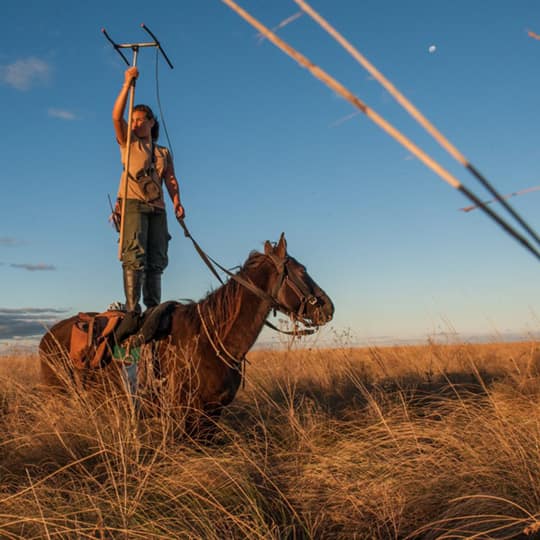
Rewilding the Gran Chaco
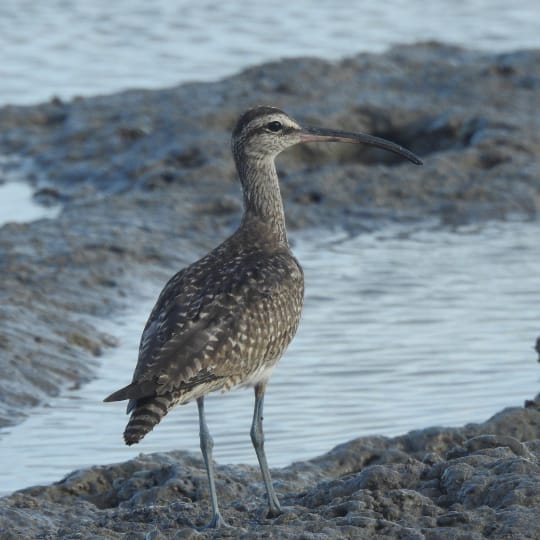
A regional conservation plan for the Guianas Green Coast
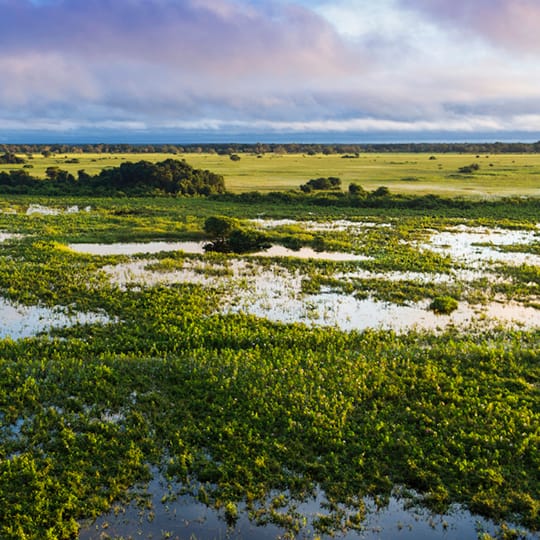
Saving the Corredor Azul
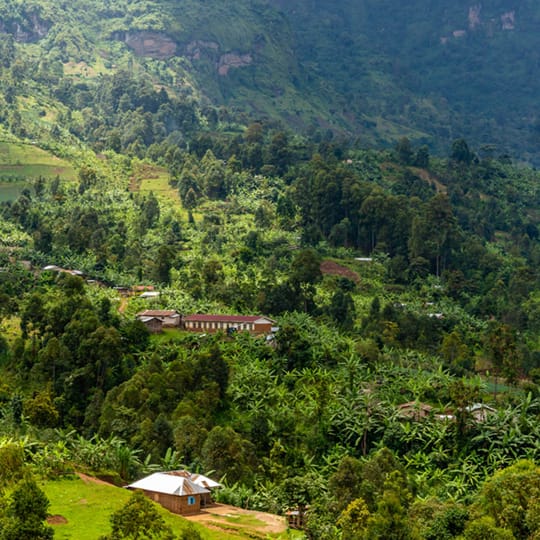
Restoring the Manafwa watershed
Nguru Landscape Forest Program